

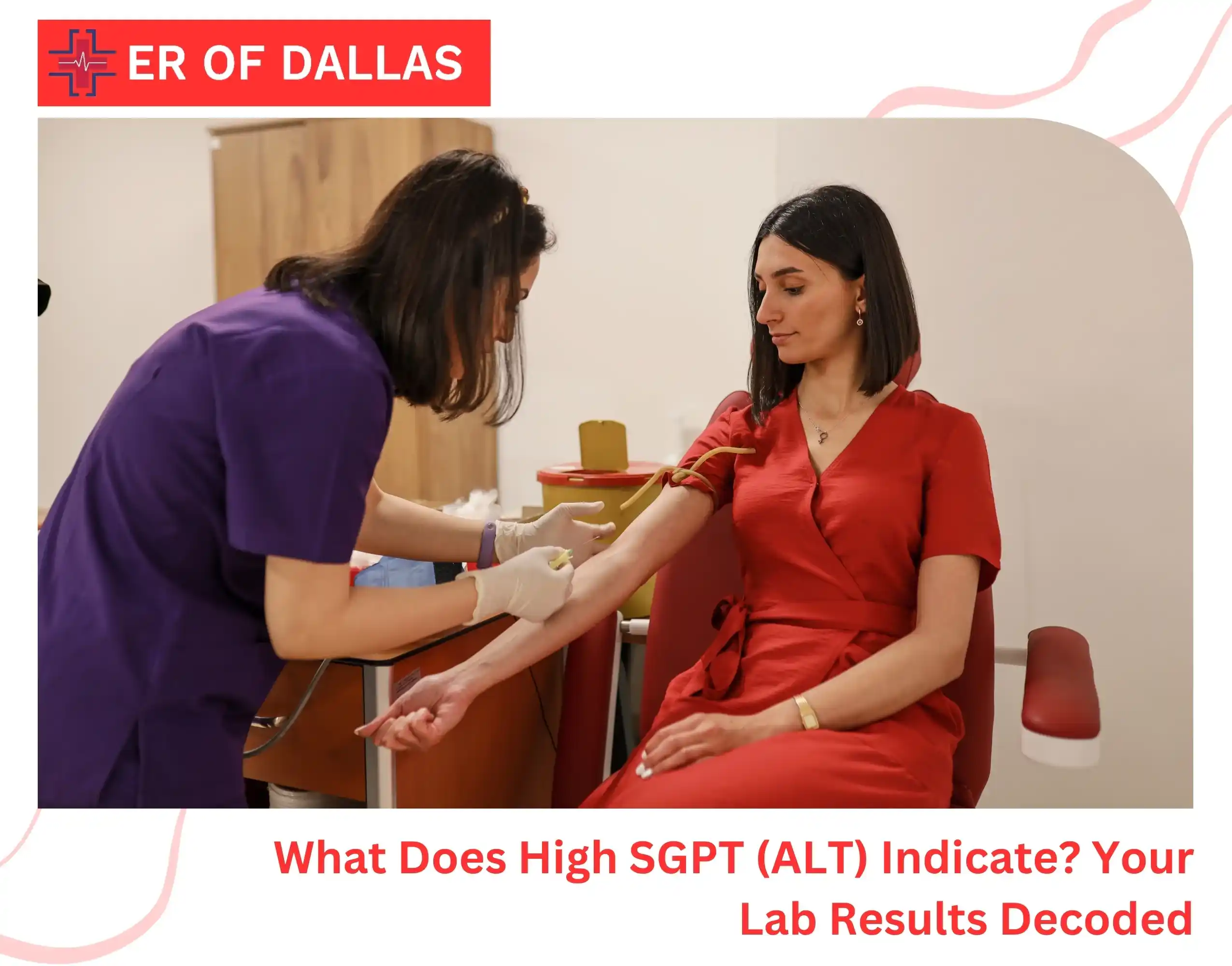
Getting a flagged SGPT result back is disorienting when the number sits there without context. What does high SGPT indicate, and how concerned should you actually be?
SGPT, the older clinical name for ALT (alanine transaminase), is an enzyme your liver releases into the bloodstream when its cells are under stress or damaged.
The alt normal range sits between 7 and 56 U/L for most labs, and values above that threshold are worth understanding in detail. Here’s what your results are telling you.
What Is SGPT (ALT) and Why Is It in Your Blood Test?
SGPT (serum glutamic pyruvic transaminase) is the older clinical name for alanine transaminase, more commonly abbreviated as ALT. Both names describe the same enzyme, one that lives inside liver cells and helps convert amino acids into energy.
In a healthy liver, SGPT stays contained within those cells. When liver tissue is injured or inflamed, the cell membranes break down and SGPT spills into the bloodstream, where it shows up on a standard blood panel.
Because ALT is far more liver-specific than related enzymes like AST, physicians use it as a primary marker of hepatic health. The SGPT blood test is a routine component of both a liver function test (LFT) and a comprehensive metabolic panel (CMP).
Doctors order it to screen patients with risk factors like obesity, diabetes, or regular alcohol use; to monitor those on medications known to stress the liver; and to investigate symptoms such as fatigue, nausea, or abdominal pain that suggest something is wrong upstream of the gut.
What Is the ALT Normal Range?
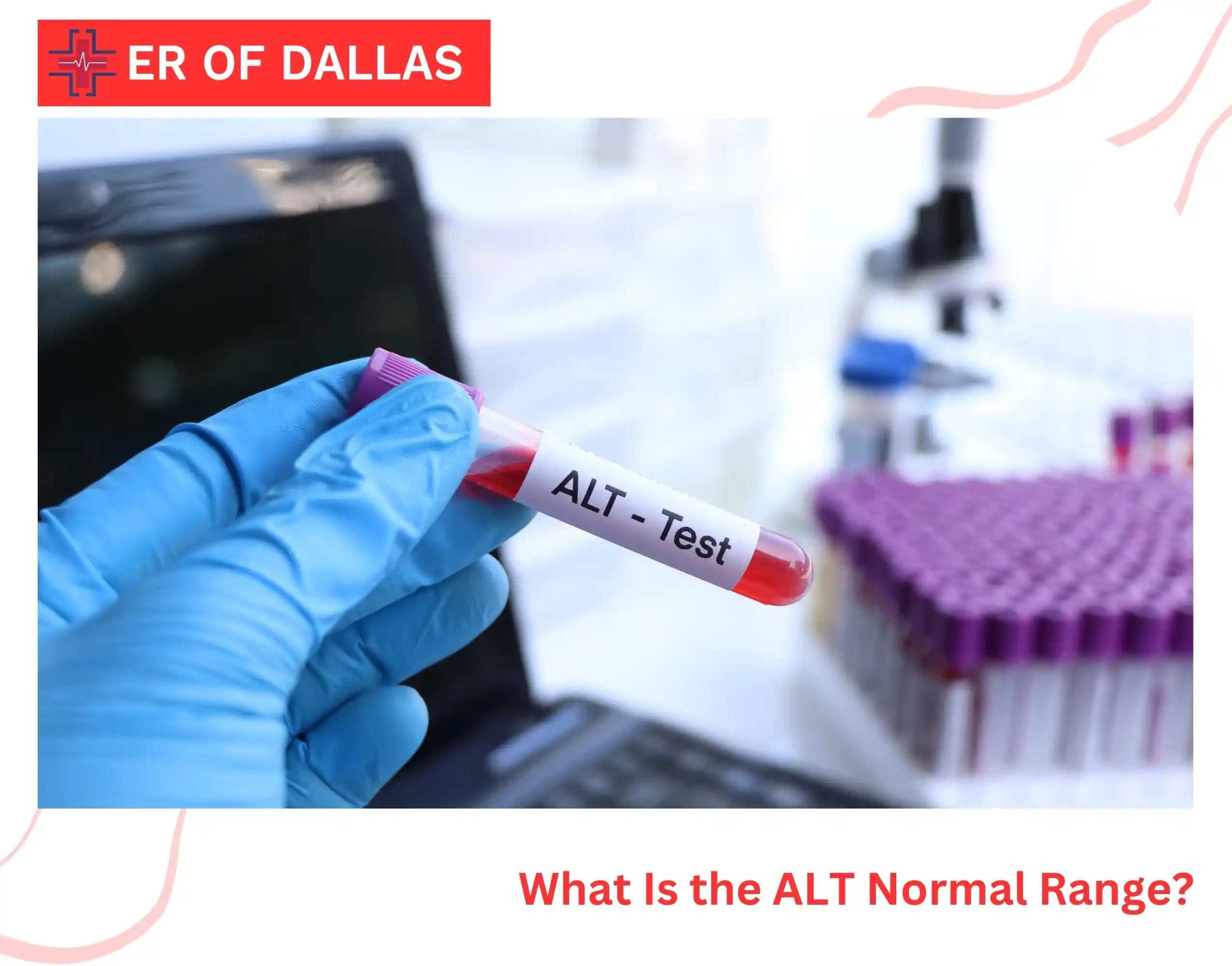
The ALT normal range for most labs falls between 7 and 56 units per liter (U/L), though exact cutoffs depend on the laboratory, the patient’s sex, age, and the reference population used to establish the interval.
| Group | Typical ALT Normal Range |
| Adult men | 7–40 U/L (some labs up to 56 U/L) |
| Adult women | 7–35 U/L |
| Children | Slightly higher than adults; lab-specific |
A result within the reference interval generally reflects healthy liver cell activity. The alt blood test normal range for women is set lower than for men at most institutions, partly because differences in body composition and muscle mass affect baseline enzyme levels across sexes.
When reviewing your LFT results normal range, use the specific reference interval printed on your own report rather than a generic online figure. Labs calibrate their thresholds differently, and a value that reads as normal at one facility may appear borderline at another.
If your report lacks a printed reference range or you’re unsure how to interpret it, our team at ER of Dallas can run and interpret a full liver panel on the same visit.
What Does High SGPT Indicate?
High SGPT indicates that liver cells are releasing the enzyme into the bloodstream faster than normal, pointing to hepatocellular stress, inflammation, or injury. The clinical picture depends heavily on how far above the reference range the result falls.
- Mild elevation (1–3x the upper limit of normal): Often tied to fatty liver disease, recent alcohol use, certain medications, or intense physical exercise. Frequently reversible with lifestyle adjustments and repeat testing.
- Moderate elevation (3–10x normal): Points to active liver inflammation. Non-alcoholic fatty liver disease (NAFLD), chronic hepatitis, or ongoing medication toxicity are common drivers at this level. Follow-up imaging and repeat bloodwork are typically recommended.
- Severe elevation (above 10x normal): Suggests acute liver injury. At this point, what does high SGPT indicate is no longer an outpatient question. Same-day emergency evaluation is appropriate regardless of whether symptoms are present.
One high reading rarely tells the whole story. Physicians typically order a follow-up panel several weeks later to determine whether the elevation is persistent, trending upward, or resolving on its own. That said, a single result above 10x normal should not wait for a scheduled appointment.
What Causes ALT Levels to Spike?
ALT rises when liver cells are damaged or dying, but the cause behind that damage ranges widely. Identifying the driver matters because treatment differs significantly across conditions.
Metabolic and lifestyle factors
- Non-alcoholic fatty liver disease (NAFLD): the most common cause of chronically elevated ALT in the United States, often occurring without any obvious symptoms
- Obesity and insulin resistance
- Type 2 diabetes, which is closely associated with liver fat accumulation
- Regular alcohol use, which damages liver cells even at amounts that don’t produce obvious symptoms
Infections
- Viral hepatitis A, B, and C, all of which cause direct hepatocellular injury
- Mononucleosis, which frequently produces transient ALT spikes in younger patients alongside fatigue and sore throat
Medications and supplements
- Acetaminophen at high or accumulated doses over time
- Statins, certain antibiotics, and antifungal agents
- Herbal supplements and over-the-counter weight loss products, which are a commonly overlooked and underreported cause
Other causes
- Celiac disease, often undiagnosed and underappreciated as a liver enzyme driver
- Autoimmune hepatitis
- Thyroid disorders
- Muscle injury or sustained vigorous exercise, which produces a mild, temporary rise that typically resolves within a few days
- Gallbladder conditions: during a gallbladder attack, bile duct involvement can cause secondary enzyme spillover into the liver, producing a pattern that mimics primary liver disease on initial testing
What Does Elevated Liver Enzymes Mean on Your Full LFT?

An LFT doesn’t measure ALT alone. Understanding what elevated liver enzymes mean requires reading the full panel, because the pattern across multiple markers points to different types and locations of liver involvement.
The four markers most relevant to liver health on a standard LFT:
- ALT (SGPT): The most liver-specific marker; rises primarily with hepatocellular injury rather than bile duct or muscle problems
- AST (SGOT): Less specific to the liver; also increases with muscle damage and cardiac events, which is why an abnormal AST often gets evaluated alongside a cardiac enzyme test to rule out heart involvement before attributing the elevation to the liver
- ALP (alkaline phosphatase): Rises primarily when bile ducts are obstructed or inflamed, rather than when liver cells themselves are injured
- Bilirubin: Reflects the liver’s ability to process and clear waste; when bilirubin rises alongside other enzymes, jaundice is usually not far behind
When ALT is elevated in isolation and AST and ALP are normal, that pattern favors hepatocellular disease, most commonly NAFLD or viral hepatitis. When all three are elevated together, the injury is more diffuse. The LFT results normal range for each marker tells part of the story; reading them as a set tells the rest. If further imaging is needed to explain the pattern, an on-site ultrasound can detect fatty changes, gallbladder involvement, and structural abnormalities in the same visit.
When High SGPT Levels Need Immediate Attention

Most elevated ALT results belong in the “follow up with your doctor” column, not the emergency room. The situations below are the exceptions. Go directly to an ER if high SGPT is accompanied by any of the following:
- Jaundice: the liver is no longer clearing bilirubin effectively, which signals a significant drop in function
- Severe pain in the upper right abdomen: the liver sits beneath the right rib cage, and abdominal pain in that region alongside enzyme elevation warrants prompt imaging
- Confusion or disorientation: a warning sign of hepatic encephalopathy, where the liver can no longer filter toxins from the blood
- Dark urine or pale stools: both indicate bile flow disruption and should be taken seriously even without other symptoms
- Persistent vomiting alongside known liver disease: dehydration compounds liver stress rapidly and can accelerate injury
- ALT greater than 10 times the upper limit of normal: at this level, come in regardless of how you feel
Knowing when to visit an emergency room versus when to schedule a follow-up is often a question of symptom combination and enzyme magnitude, not either factor alone.
At ER of Dallas, our on-site clinical laboratory services run full liver panels with same-visit results. We also have CT scan and ultrasound capabilities for immediate abdominal imaging when the clinical picture calls for more than bloodwork.
For cases involving gallbladder attacks, our team can differentiate biliary from hepatocellular causes on the same visit. If your results or symptoms align with any of the criteria above, come in. Elevated liver enzymes that get triaged quickly are far easier to manage than those that sit untreated for weeks.
Key Takeaways
- SGPT and ALT are the same enzyme; the alt normal range is approximately 7–40 U/L for men and 7–35 U/L for women, though this varies by lab
- High SGPT indicates liver cell stress, inflammation, or injury; severity scales with how far above normal the result falls, from mild and reversible to acutely dangerous
- Fatty liver disease is the most common driver, followed by alcohol, medications, viral infections, and gallbladder conditions
- Understanding what elevated liver enzymes mean requires reading the full LFT panel, not ALT in isolation
- Jaundice, confusion, severe abdominal pain, or ALT above 10x normal are signals to go to an ER, not schedule a routine appointment.
Frequently Asked Questions
Yes. SGPT (serum glutamic pyruvic transaminase) is the older clinical name for alanine transaminase (ALT). Both terms refer to the same enzyme and appear interchangeably on liver function test reports.
The alt blood test normal range is typically 7–35 U/L for women and 7–40 U/L for men. Some labs extend the upper limit to 56 U/L. Always reference the interval printed on your specific lab report.
Mild elevations from exercise, short-term alcohol use, or a recent medication often resolve within weeks. Persistent high SGPT across multiple tests over several weeks requires a medical evaluation to find and address the cause.
Elevated liver enzymes without symptoms are common in fatty liver disease and early-stage hepatitis. Asymptomatic elevation still warrants follow-up, because significant liver damage can accumulate before symptoms appear.
Chronically high SGPT signals ongoing liver cell injury that, left unaddressed, can progress to fibrosis or cirrhosis over years. Catching and correcting the underlying cause early changes the long-term outcome significantly.


