
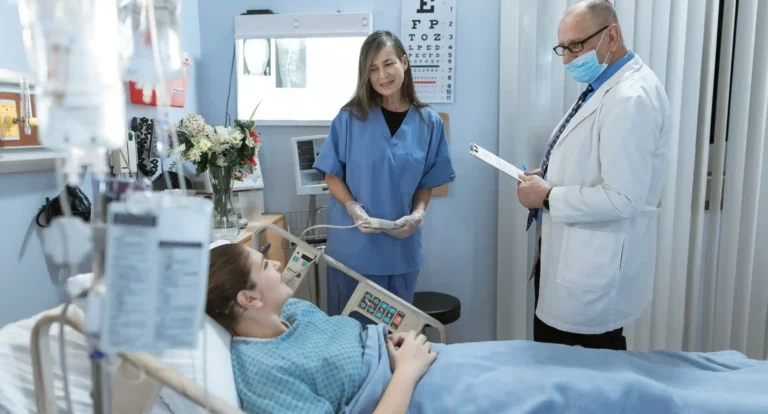
Benefits of a Freestanding Emergency Room in Dallas, TX
“Freestanding ER” is a term most people encounter for the first time while searching for emergency care. It sounds unfamiliar, and unfamiliar can feel unreliable during an emergency.
So here is the short version: a freestanding emergency room is a fully licensed ER that operates independently from a hospital. Same physicians, same equipment, same regulatory standards, same 24/7 access. The difference is how the experience is structured around the patient rather than the institution.
ER of Dallas is a freestanding emergency room serving the Dallas metro. Here is what that means for you.
What Is a Freestanding Emergency Room?
A freestanding emergency room is an independent medical facility licensed to provide 24/7 emergency care without being physically attached to a hospital. These facilities are staffed by board-certified emergency physicians and equipped with the same diagnostic tools as hospital-based ERs, including CT scanners, X-ray, ultrasound, EKG, and full on-site laboratories.
In Texas, freestanding ERs are licensed under Health and Safety Code Chapter 254, the same statute that governs hospital-based emergency departments. They are also required to comply with the federal law (EMTALA), which means every patient who walks through the door receives a medical screening examination regardless of their ability to pay.
A freestanding ER is not an urgent care clinic. Urgent care centers operate with limited hours, limited diagnostics, and staff that may not include board-certified emergency physicians. A freestanding ER provides the full scope of emergency care, 24 hours a day, every day of the year. For a detailed breakdown, see our freestanding ER vs Urgent Care comparison.
Key Benefits of a Freestanding ER in Dallas
Freestanding ERs offer shorter wait times, 24/7 access to board-certified ER physicians, on-site imaging and lab results during your visit, private treatment rooms, and a streamlined experience without the delays that define hospital-based emergency departments. Here is what each of those looks like at ER of Dallas.

Shorter wait times
Most patients are in a treatment room within minutes of arrival. Hospital ERs operate on triage, which means a broken wrist or a 103-degree fever waits behind strokes, heart attacks, and trauma cases. At a freestanding ER, the patient volume is lower and resources are dedicated, making near Zero-wait time a reality.
Board-certified ER physicians
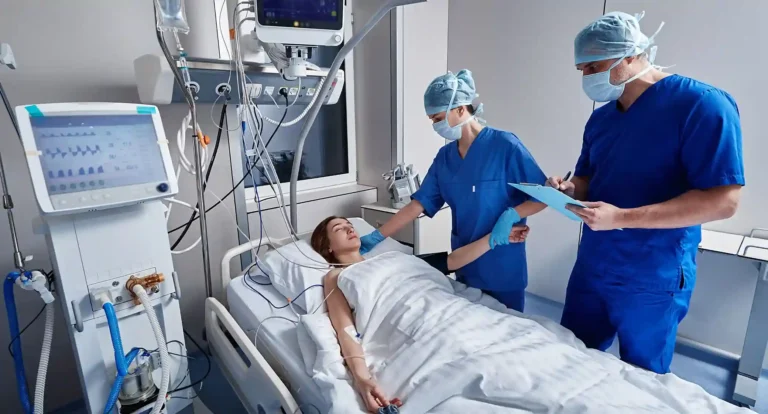
Every patient is evaluated by a physician trained and board-certified in emergency medicine. Not a physician assistant running the room alone. Not a nurse practitioner handling the initial workup while the doctor manages another case. Your physician is your physician from evaluation through discharge.

On-site diagnostics with same-visit results
Blood panels, Cardiac enzymes, urinalysis, rapid infection screens, metabolic testing are all performed on-site. Results are interpreted while you are still in the treatment room. No waiting days for a callback. No scheduling a follow-up just to learn what the scan showed.
24/7/365 availability
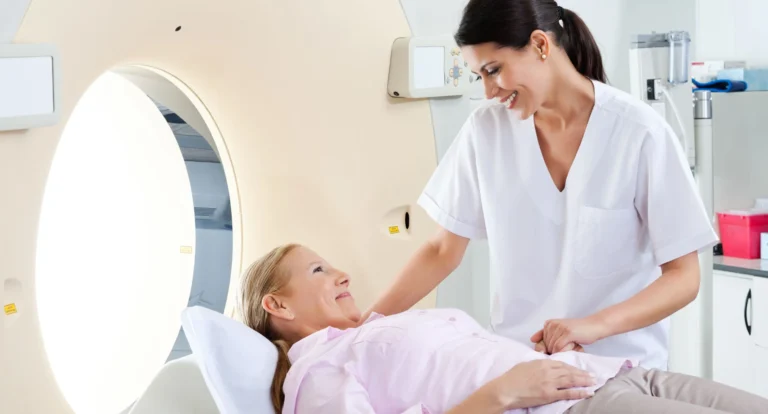
Nights, weekends, Thanksgiving, Christmas, New Year’s. No closures, no reduced holiday staffing, no “call back Monday.” The physicians, nurses, imaging technicians, and lab staff are available around the clock.
Private treatment rooms
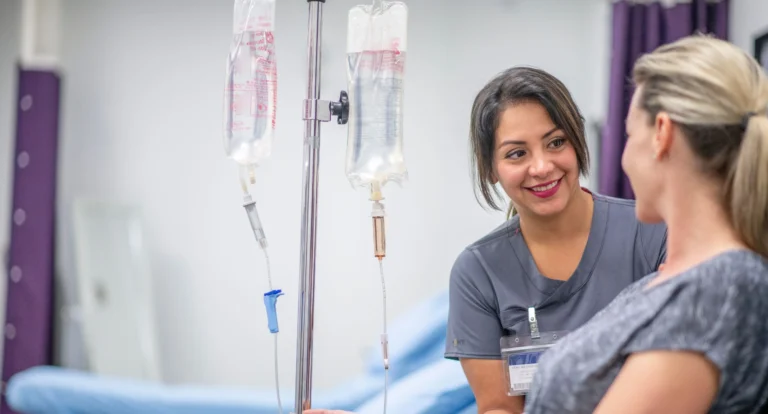
No hallway beds. No curtain dividers with multiple patients nearby. You are evaluated, treated, and discharged in a private room where your physician can speak with you directly.

Faster total visit time
Hospital ERs share imaging equipment and lab resources with inpatient departments, creating delays. At a freestanding ER, those resources are dedicated entirely to emergency patients. Most visits are completed within 60 to 90 minutes.
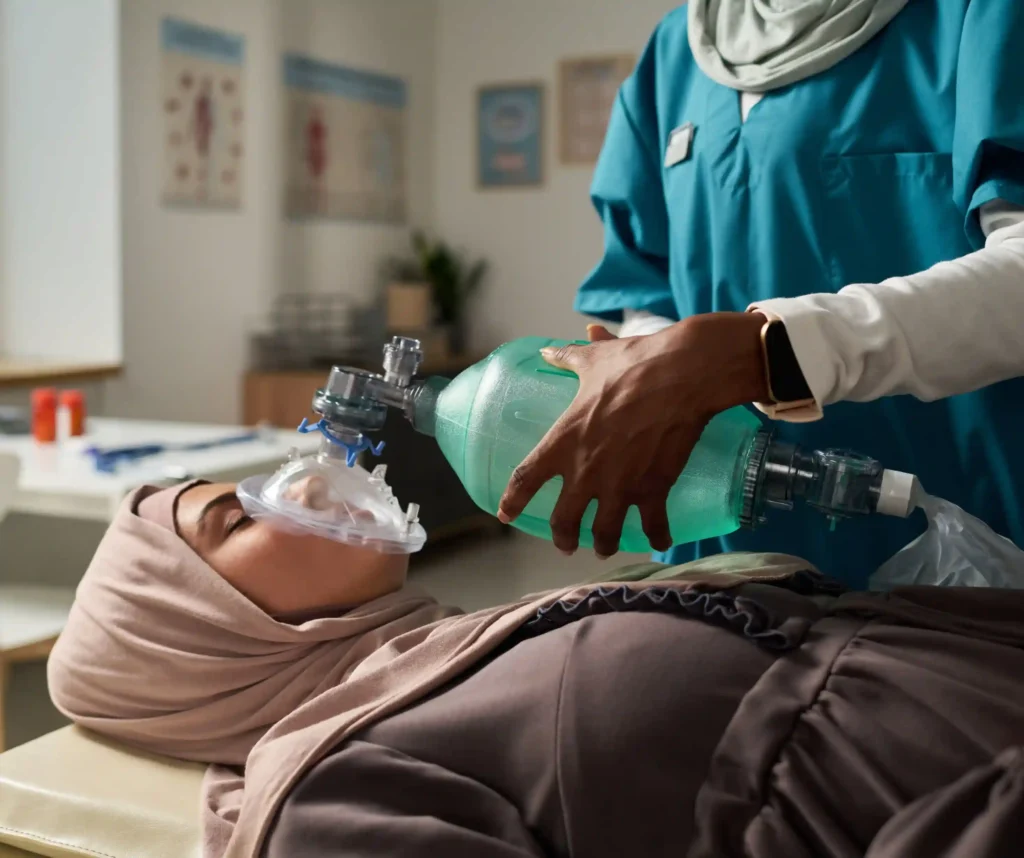
What a Visit to ER of Dallas Looks Like
Benefits on a page are one thing. What actually happens when you walk through the door is another. Here is the experience, step by step.
- You arrive and check in. Registration takes less than two minutes. Name, date of birth, insurance card if you have one, a brief description of what brought you in.
- You are placed in a treatment room. A private room with a door, where a nurse takes vitals and begins your assessment. This happens within minutes of arrival, not after an hour of triage.
- A board-certified ER physician evaluates you. The same physician who examines you is the one who reviews your test results, explains the diagnosis, and determines your treatment plan. You are not handed off between providers.
- Diagnostics are run on-site. If your condition requires imaging or lab work, both are performed in the facility. CT results, X-ray reads, blood panels, and rapid tests are returned during the same visit. Your physician reviews them with you directly.
- Treatment begins immediately. IV fluids, medications, wound care, fracture stabilization, cardiac monitoring. Whatever your condition requires starts as soon as the diagnosis is clear, often before all test results are back if the clinical picture warrants it.
- You are discharged with a clear plan. Written instructions, prescriptions if needed, referrals for follow-up when appropriate, and a direct line to call if something changes. No ambiguity about next steps.
How Does a Freestanding ER Compare to a Hospital ER?
Freestanding ERs provide the same emergency physicians, diagnostic equipment, and treatment protocols as hospital-based ERs. The key differences are shorter wait times, lower patient volume, and a more streamlined environment.
Physician training and board certification. Emergency treatment protocols. Diagnostic equipment (CT, X-ray, ultrasound, EKG, laboratory). EMTALA requirements. Texas licensing standards. IV medications, fluids, and cardiac monitoring. The clinical care is identical.
Wait times are shorter because patient volume is lower. Imaging and lab resources are not shared with inpatient departments, so there is no queue for the CT scanner at 2 AM. The facility is easier to navigate: park in front, walk in the door, reach a treatment room in minutes. No parking structures, no campus maps, no walking through half a hospital to find the ER entrance.
Hospital ERs offer on-site surgery, inpatient admission, and MRI capabilities. Freestanding ERs stabilize and transfer patients when these services are required.
For the majority of emergency visits, a freestanding ER delivers the same medical outcome with less waiting, less chaos, and a faster path to recovery.
What Happens If You Need Hospital-Level Care?
If a freestanding ER determines that a patient needs surgery, hospitalization, or specialist care beyond its scope, the facility stabilizes the patient and arranges a direct transfer to the appropriate hospital. All diagnostic results, imaging, and physician notes transfer with the patient so the evaluation does not start over.
Here is how that process works at ER of Dallas:
- Your physician identifies the need. After evaluating your test results and clinical presentation, the ER physician determines that your condition requires resources we do not have on-site. This might mean surgery for appendicitis, admission for observation beyond 24 hours, or specialist intervention for a complex cardiac event.
- We stabilize you first. Pain management, IV medications, fluid resuscitation, airway support, wound stabilization. The initial window of care is often the most time-sensitive, and we deliver it without the hours of waiting that hospital ERs impose before reaching the same point.
- We contact the receiving hospital directly. Your ER doctor speaks with the admitting physician at the hospital so that by the time you arrive, the receiving team already knows your diagnosis, test results, and treatment so far.
- Your records travel with you. Lab results, imaging files, physician notes, medication administered. The hospital team picks up exactly where we left off. You do not repeat the CT scan. You do not re-draw blood. You do not explain your symptoms from scratch to a new provider who has no context.
This is not a limitation of freestanding ERs. It is how emergency medicine works across the entire system. Hospital ERs transfer patients between departments and to other hospitals regularly. The difference is that at a freestanding ER, the initial stabilization often happens faster because you were seen faster.
Emergency Room Serving Dallas and Nearby Communities
ER of Dallas is centrally located on Frankford Road with direct access from major routes throughout the Dallas metro. We serve patients from:
● Dallas
● Highland Park and University Park
● Richardson
● Plano
● Garland
● Addison and Farmers
● Branch
● Carrollton
● Grand Prairie and Irving
● Mesquite
● DeSoto, Duncanville, and ● Glenn Heights
● Lancaster and Balch Springs
For Highland Park and University Park residents, we are one of the closest freestanding ERs to your neighborhood. Families in Garland and Richardson often reach us faster than the nearest hospital ER during evening and weekend hours.
If you are searching for a freestanding emergency room near me, a 24-hour ER in Dallas, or an emergency room open now with no wait, we are likely minutes from where you are.
Insurance and Billing at ER of Dallas
Freestanding ERs work with most commercial insurance plans. Under Texas law, insurers must process emergency room visits at in-network benefit levels regardless of the facility’s network status. The federal law provides additional protection against surprise billing for emergency services. You may still be responsible for copays, deductibles, and coinsurance as determined by your plan.
Like all freestanding ER facilities, ER of Dallas does not participate in Medicare, Medicaid, or Tricare networks. Patients with these plans may be responsible for the full cost of services.
We also offer flexible payment plan options for uninsured patients and those with high-deductible plans.
Freestanding ER of Dallas
ER of Dallas is open 24/7. Walk in for the benefits of hospital-level care without the hospital wait.
Call: (214) 613-6694
Address: 4535 Frankford Rd, Dallas, TX, 75287
Frequently Asked Questions
A freestanding emergency room is an independent, fully licensed emergency care facility that provides 24/7 services without being attached to a hospital. It is staffed by board-certified emergency physicians and equipped with full diagnostic capabilities.
Yes. Freestanding ERs provide the same physician expertise, diagnostic tools, and treatment protocols. The main differences are shorter wait times and a more efficient experience.
Your condition is stabilized, and you are transferred to a hospital with all records and diagnostics, allowing seamless continuation of care.
Most accept commercial insurance. Texas law requires emergency visits to be processed at in-network levels. Medicare, Medicaid, and Tricare are typically not accepted.
Freestanding ERs operate 24/7 with advanced diagnostics and board-certified ER physicians. Urgent care centers handle minor conditions with limited hours and capabilities.
Yes. ER of Dallas is open 24 hours a day, 365 days a year. This includes nights, weekends, and all holidays.