

Heart Attack Treatment in Dallas, TX
Chest pain that stopped is not chest pain that was nothing. Heart attack treatment at ER of Dallas is built for both patients who arrive mid-event and the ones who waited two days because the pressure went away. Our board-certified emergency physicians run a 12-lead EKG within minutes of arrival, draw cardiac bloodwork that is processed on site, and coordinate directly with the hospital team when the result calls for it. If symptoms are happening right now, call 911 first.
Call Now: (214) 613-6694
Hours: 24/7/365; walk-ins welcome
Walk-In: 4535 Frankford Rd, Dallas, TX, 75287
If It Is Happening Right Now, Dial 911
Call 911 rather than driving yourself or being driven. Paramedics run an EKG in your driveway, carry the equipment to restart a heart that stops on the way, and alert the receiving facility before you arrive. A private car carries none of that.
This is not a formality, and it is not us turning work away. The minutes between a collapse in traffic and a collapse in an ambulance decide outcomes.
Everything below is written for the other situation: the person whose symptoms have eased, never quite fit the picture, or have been coming and going for days. That patient almost never calls an ambulance. They drive in, and they are the reason this page exists.

Signs of a Heart Attack Worth Driving In For
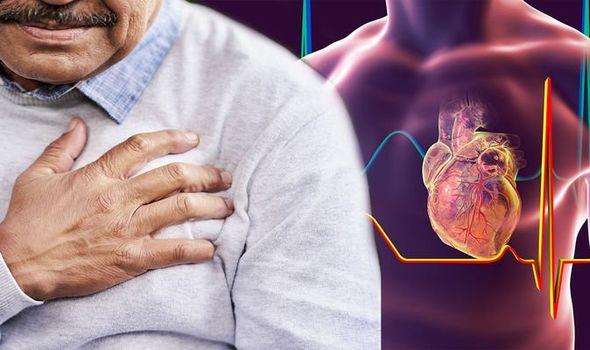
The signs of a heart attack extend well past the clutched chest. Pressure, squeezing, or fullness in the chest is the most common presentation, though a significant share of patients never describe pain at all. Any of the following warrants heart attack treatment the same night.
- Pressure, tightness, or a heavy band across the chest lasting more than a few minutes, including chest pain that comes and goes
- Discomfort spreading to one or both arms, the jaw, neck, upper back, or between the shoulder blades
- Shortness of breath, with or without any chest discomfort at all
- Breaking into a cold sweat for no reason you can identify
- Nausea, vomiting, or what feels exactly like severe indigestion
- Sudden lightheadedness or an overwhelming, unexplained exhaustion
- A sense that something is seriously wrong that you cannot locate
Signs of a heart attack in women, older adults, and people with diabetes are likelier to appear without classic chest pain, which is precisely why those presentations get missed. Nerve damage from long-standing diabetes can blunt the pain signal entirely.
The Chest Pain That Already Stopped
A heart attack that has ended still needs to be found. Heart muscle does not recover on its own schedule, and the event that resolved on Saturday afternoon leaves evidence a physician can measure days later, along with a risk profile that has changed permanently.
The pattern repeats constantly. Someone gets twenty minutes of chest pressure while mowing the lawn. It fades. They feel washed out but fine, decide it was heartburn or a pulled muscle, and then on Monday it returns, briefer this time. Chest pain that comes and goes is doing something specific: it is telling you a vessel is narrowing and closing intermittently. That pattern frequently precedes a complete blockage.
What a mini heart attack means in practice is a smaller amount of damaged muscle, not a smaller warning. The vessel that caused it is still there. Heart attack treatment after a mini heart attack is what lowers the odds of the larger one that follows.

Why Bloodwork Can Still Find a Heart Attack From Last Week

Cardiac proteins released by injured heart muscle stay detectable in blood for days, not hours. Troponin T can remain measurable for five to fourteen days after an injury, which means an ER visit well after the symptoms stopped can still answer the question.
This is the part most patients do not know, and the belief that they have missed their window is what keeps them home. They have not. A visit three days after the chest pain stopped can still establish that muscle was damaged, when it happened, and what the heart looks like now.
Three things get checked together:
Cardiac bloodwork measures the proteins that leak from damaged muscle, processed in our own laboratory rather than couriered out.
A 12-lead EKG captures the heart???s electrical pattern, and old injury often leaves a signature that persists long after the event.
An echocardiogram shows whether a section of the heart wall has stopped moving the way it should, which is physical evidence of a previous event.
What Happens in the First Ten Minutes
- Immediate triage and vitals the moment you describe cardiac symptoms, ahead of anything else in the building
- A 12-lead EKG within minutes, read on site by the physician rather than sent anywhere
- IV access established and continuous cardiac monitoring started
- Cardiac bloodwork drawn and processed in house, with results back during your visit
- Chest imaging and an echocardiogram when the picture calls for them
- A pathway decision: treat and observe here, or stabilize and transfer with everything already done
The first EKG is the step that routes all heart attack treatment after it. Getting to it fast is most of what an emergency room contributes in the opening minutes.

What We Do Here and What the Hospital Does

Honest division of labor matters more on this page than on any other we publish.
What happens here. Emergency heart attack care here covers diagnosis, IV access, cardiac monitoring, oxygen when indicated, emergency cardiac medication administered by an emergency physician, blood pressure control, pain management, and stabilization. For a confirmed smaller event or an unstable pattern without complete blockage, heart attack treatment and observation often happen here in full.
What does not happen here. We do not perform cardiac catheterization, angioplasty, stent placement, or cardiac surgery. No freestanding emergency room does, and any facility implying otherwise is describing something that does not exist. We also have no cardiologists on staff, because we staff board-certified emergency physicians, which is who you want reading an EKG at three in the morning.
What that means for you. When a major blockage is confirmed, we compress the clock ahead of the transfer. You arrive at the receiving hospital diagnosed, stabilized, with your EKG and labs already transmitted and a team expecting you, rather than entering their waiting room and starting over.
Why Patients Choose ER of Dallas for Emergency Heart Attack Care
- An EKG in minutes, not after a wait. Cardiac complaints move to the front immediately, every hour of the day.
- Results from our own laboratory. Cardiac bloodwork processed on site, with answers while you are still in the room.
- Atypical symptoms taken seriously. Nausea, jaw ache, and unexplained breathlessness get the full workup, not a shrug.
- Emergency physicians on duty around the clock. Board-certified in emergency medicine, which is the relevant specialty in the first hour. That is the difference between a freestanding ER and an urgent care.
- Direct hospital coordination. When transfer is the answer, it happens as a handoff rather than a referral.
- Care that fits your budget. We accept most major insurance plans and offer flexible payment plans for self-pay or uninsured patients.
Questions about billing? Contact our team at:
Phone: (817) 785-8000
Email: info@aimbillingsolutions.com

Heart Attack Emergency Room Near You in Dallas

A heart attack emergency room is only useful if it is close enough to reach quickly. Distance is part of the clinical picture, not a convenience detail. ER of Dallas sits on Frankford Road in North Dallas with parking at the door, and most of our neighbors reach us in under ten minutes. Patients find our heart attack emergency room open every hour of every day, holidays included, for heart attack treatment in Dallas, TX.
- North Dallas
- Addison
- Carrollton
- Farmers Branch
- Richardson
- Plano
- Irving
- Highland Park
Chest Pain Does Not Need Your Permission to Be Serious
The patients who do best are rarely the ones who were certain. They are the ones who came in unsure and let a test settle it.
ER of Dallas is open now. Walk in at 4535 Frankford Rd, or call ahead and we will be ready when you arrive.
Call Now: (214) 613-6694
Hours: 24/7/365; walk-ins welcome
Walk-In: 4535 Frankford Rd, Dallas, TX, 75287
Frequently Asked Questions
I had chest pain two days ago and it stopped. Is it too late to get checked?
No. Cardiac proteins stay detectable in blood for several days, and an EKG and echocardiogram can show evidence of an older event. Coming in now also lets a physician assess your current risk, which is often the more valuable half of the visit.
Can you have a heart attack without any chest pain?
Yes, and it happens more than most people expect. Shortness of breath, nausea, jaw or back discomfort, cold sweats, or sudden exhaustion can be the only symptoms. Women, adults over 65, and people with diabetes present this way most often.
What is the difference between a mini heart attack and a major one?
The amount of heart muscle affected, not the seriousness of the warning. A smaller event means less permanent damage, though the narrowed or blocked vessel behind it remains and still needs treatment. Many patients have a larger event within weeks of an untreated smaller one.
Should I take aspirin before I come in?
Ask the 911 dispatcher rather than deciding yourself. Aspirin is wrong for some patients, particularly anyone already taking blood thinners, and the dispatcher knows what to recommend while help is on the way. Bring a list of your current medications if you can.
Will I be transferred to a hospital?
Only when the diagnosis calls for a procedure we do not perform. Many patients are evaluated, treated, and discharged from here with cardiology follow-up arranged. When a transfer is needed, your results travel ahead of you to a team already prepared.
Can urgent care tell whether I am having a heart attack?
Generally not with any confidence. Most urgent care clinics have no cardiac bloodwork on site and limited monitoring, so a suspected cardiac case gets forwarded to an ER anyway. That turns one visit into two during the hours that matter most.
Can I walk in for heart attack treatment without an appointment, and do you take insurance?
Yes. Walk in any hour without an appointment, including nights, weekends, and holidays. We accept most major insurance plans and offer flexible payment plans through Sunbit. Texas law requires emergency visits to be processed at your in-network benefit level.