

Seizure Emergency Room and Same-Visit Diagnosis in Dallas, TX
A seizure is a symptom, not a diagnosis. The reason to visit a seizure emergency room is rarely the shaking itself, which usually stops on its own, but the cause underneath, which does not. Low blood sugar, a sodium drop, an infection, bleeding in the head, or a missed medication can look identical from the outside.
Call 911 if a seizure is happening right now. Once it has ended, ER of Dallas has onsite CT imaging and a certified lab running around the clock.
Call Now: (214) 613-6694
Hours: 24/7, walk-ins welcome
Walk-In: 4535 Frankford Rd, Dallas, TX, 75287
When a Seizure Becomes an Emergency
Any seizure lasting more than 5 minutes is an emergency, and so is a second one that starts before the person has fully woken up. A first time seizure needs evaluation the same day at any age, because the first job is ruling out a cause that can repeat within hours.
Call 911 and stay with the person for any of these:
- A seizure lasting more than 5 minutes, or two in a row with no clear recovery between them
- A first time seizure in someone with no epilepsy diagnosis behind it
- A seizure in a person who is pregnant, diabetic, or taking blood thinners
- A seizure after a head injury, a fall, or a car crash
- Trouble breathing, blue lips, or a person who will not wake up afterward
- Fever, stiff neck, or severe headache alongside the event, pointing toward infection in or around the brain
Families misread the quiet afterward. A person can open their eyes, answer to their name, and stay confused for twenty or thirty minutes. That recovery is expected. Weakness on one side, slurred speech, or confusion that deepens instead of clearing is not, and it puts stroke back in the picture. A seizure emergency room is where that difference gets settled.

A Seizure Is a Symptom. The Cause Is the Emergency.

Stopping a seizure is usually the easy part, since most stop on their own within two minutes. The harder question is what pushed the brain past its threshold, and that answer comes from blood chemistry, imaging, and history rather than from watching the movement itself.
That search is what emergency care for seizures actually consists of. Our physicians work the correctable causes in parallel, not one at a time:
- Blood glucose, checked within seconds of arrival, since low blood sugar is both a common trigger and the fastest to reverse
- Sodium, calcium, magnesium, and kidney function, since an electrolyte swing drops the seizure threshold in a brain that never had trouble before
- Infection markers and a white count, which matter when fever or a stiff neck came along
- A pregnancy test in women of childbearing age, because eclampsia changes the treatment path entirely
- A 12-lead EKG, because a rhythm problem can cause a faint with jerking that families reasonably call a seizure
- A head CT for bleeding, swelling, or a mass, especially after a fall or in anyone over 40 with a first time seizure
A neurologist eventually answers whether epilepsy is present. We answer whether something is actively dangerous right now. Those are different jobs, and the second one cannot wait for an appointment.
When a Seizure Isn't Epilepsy at All
Most people hear the word seizure and think epilepsy. In practice, a large share of the events we evaluate are provoked, meaning a seizure without epilepsy behind it. The brain was pushed past its limit by something outside itself, and correcting that thing often ends the problem.
Common provocations we look for:
Metabolic: Low blood sugar in someone on diabetes medication, low sodium after heavy sweating or excess water, and kidney or liver dysfunction that lets waste build up.
Withdrawal: Alcohol withdrawal seizures typically appear one to three days after the last drink, and they cluster. Stopping certain sedatives abruptly does the same.
Infection and fever: Meningitis, encephalitis, and severe systemic infection all lower the threshold. In young children, a rapid temperature spike can trigger a febrile seizure with no epilepsy involved.
Structural: A slow bleed after a fall, a stroke, or a tumor can announce itself with a seizure as its first symptom, which is why imaging matters even after full recovery.
Medication: A missed dose, a new prescription, or a drug interaction each lowers the threshold, so the full medication list changes what we test for.
Sorting a provoked event from epilepsy shapes everything after, including whether long-term medication is warranted. A seizure without epilepsy is treated by fixing the cause.

What Happens at Our Seizure Emergency Room
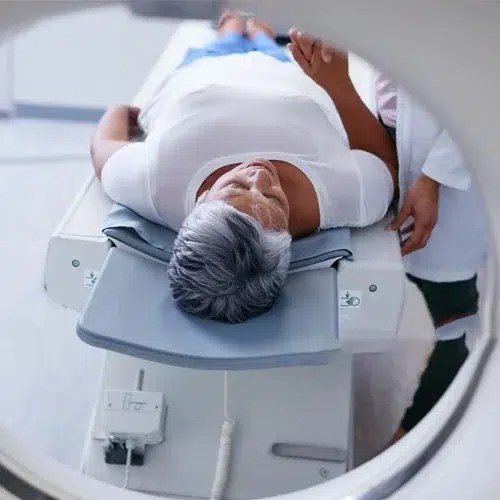
Most patients have meaningful answers within the hour. Here is the sequence from the door forward:
- Immediate triage. Vital signs, oxygen saturation, and a fingerstick glucose before anything else. If the person is still seizing, treatment starts here rather than after paperwork.
- IV access and blood draw. One stick covers the metabolic panel, blood count, infection markers, and anything else the physician adds.
- Head CT. We have onsite CT scan, so imaging happens during the visit instead of at a second facility on a second day.
- Physician evaluation. A board-certified emergency physician performs a focused neurological exam and rebuilds the timeline with whoever witnessed the event, often the most useful data in the room.
- Monitoring. Continuous cardiac and oxygen monitoring while results return, with observation available up to 24 hours when recovery is slow.
We do not perform EEG testing, and no emergency room diagnoses epilepsy in one visit. What we do is rule out what is dangerous today, then hand a documented workup to the neurologist who takes over tomorrow.
How We Treat Seizures
Treatment runs on two tracks at once: protect the person, then correct what caused the event.
Airway and oxygen first. Someone recovering from a seizure is positioned on their side, given supplemental oxygen if saturation is low, and watched until breathing normalizes.
Stopping active seizure activity. Anyone still seizing on arrival receives anti-seizure medication through an IV, under continuous monitoring until the activity stops.
Correcting the trigger. Glucose for low blood sugar, careful sodium correction, IV fluids for dehydration, IV antibiotics when infection is the likely driver, and fever control in children. Emergency care for seizures that treats the event without treating the cause simply buys time.
Injury check. Seizures cause falls, shoulder dislocations, tongue lacerations, and head strikes. We look for injuries the patient cannot yet feel or describe.
Coordination when it is needed. A bleed on CT, prolonged seizure activity, or a patient who does not return to baseline goes to a partner hospital by direct transfer, diagnosed and stabilized, handed to a team expecting them.

Why Choose ER of Dallas

- Onsite CT and a certified laboratory. Imaging and blood chemistry happen in the same building, during the same visit, with no second trip.
- Board-certified emergency physicians, every hour. Not a physician assistant covering the overnight shift. The doctor at 3 a.m. is the same caliber as the one at 3 p.m.
- Wait times measured in minutes. Seizure treatment in Dallas is worth little if the person sits in a lobby for four hours while the cause goes unexamined.
- Adult and pediatric care under one roof. Febrile seizures in toddlers and first events in adults are handled by the same team, with parents at the bedside throughout.
- Documentation your neurologist can use. You leave with imaging, labs, and a written account of the event, which shortens the follow-up appointment.
- Care that fits your budget. We accept most major insurance plans and offer flexible payment plans for self-pay patients.
For billing queries, contact our billing department at:
Phone: (817) 785-8000
Email: info@aimbillingsolutions.com
Emergency Room for Seizures Near Me in Dallas
Searching for an emergency room for seizures near me at two in the morning is not the moment to compare facilities. Our seizure emergency room sits on Frankford Road in Far North Dallas, open every hour of every day, holidays included, with no appointment and no referral needed. Seizure treatment in Dallas reaches families across:
- North Dallas
- Preston Hollow
- Addison
- Farmers Branch
- Carrollton
- The Colony
- Plano
- Frisco
- Richardson

Open at the Hour It Happens
Seizures keep no schedule. They happen at 4 a.m., on holidays, and in the middle of a workday, and the window to catch a correctable cause is measured in hours rather than days.
The Dallas emergency room is open right now. Walk in, or call ahead and we will be ready before you arrive.
Call Now: (214) 613-6694
Hours: 24/7, walk-ins welcome
Walk-In: 4535 Frankford Rd, Dallas, TX, 75287
Frequently Asked Questions
Yes, particularly for a first event or any seizure with a new feature to it. Looking fine afterward rules out very little. Bleeding, infection, and electrolyte problems can leave someone alert and conversational while the underlying condition keeps progressing quietly for hours.
No. Epilepsy is a clinical diagnosis that usually requires EEG testing and a neurologist, often across more than one appointment. A freestanding seizure emergency room answers a narrower and more urgent question: is something dangerous causing this right now, and does it need treatment tonight?
Most patients are seen instantly with minimal wait times. Bloodwork, a CT scan, and monitoring all happen onsite. Patients who recover slowly or need their cause corrected may stay under observation longer before discharge or transfer.
Yes. Sleep deprivation is one of the most reliable triggers in people with a known seizure disorder, and dehydration with electrolyte loss can provoke one in someone with no history at all. Both are routine screening points during emergency care for seizures.
No. Do not drive yourself to us, and do not drive afterward until a physician has cleared you. Texas sets expectations around a seizure-free interval before driving resumes, and your treating neurologist is the one who determines when you have reached that point.
Bring the full medication list, including doses and anything recently started or stopped, plus a witness who saw the event. Note the time the seizure began and how long the movement lasted.
Yes. Walk in any hour without an appointment. We accept most major insurance plans and offer flexible payment plans. Seizure treatment in Dallas at our facility is billed as emergency care under Texas law, which protects you from surprise out-of-network balances.