

Low blood pressure (hypotension) can range from mild dizziness to life-threatening emergencies. While occasional low readings may not be dangerous, sudden drops or persistently low values can deprive vital organs of oxygen and lead to serious complications. Knowing when to treat low blood pressure at home and when to seek emergency care is crucial for protecting your health.
Symptoms for Low Blood Pressure
The blood pressure has a defined valuation that is taken as the standard value for checking blood pressure. It is considered in Systolic Blood Pressure and Diastolic Blood Pressure. Systolic pressure is the number of beats a heart is pumping along the way to circulate blood in arteries and diastolic is the gap of each heartbeat. What is normal blood pressure for an adult? Based on these two standard valuations of systolic and diastolic pressures, it has a normal mapped value of 120/80 defined as systolic blood pressure/diastolic blood pressure constant. High and Low Blood Pressure are perceived based on this standard valuation of blood pressure. When systolic pressure is below 120, it is taken as low blood pressure. Because of this pressure, not sufficient blood is reaching the arteries in the body which inevitably results in low blood pressure. Aside from that multiple other symptoms are vested in this cordial health influencer.
More like

- Depression.
- Breathing Problems
- Pain in Body i.e. Headache & Backache
- Nausea
- Fatigue
- Heart palpitations
- Excessive Thirst
- Dehydration
- Abrupt Blurry Vision
- Pale Skin
These symptoms are regarded with low blood pressure. Anyone encountering such illustrations, symptoms, and health circumvents needs to have instant treatment from emergency room care in order to treat the menace of low blood pressure effectively. Based on these symptoms, the identification of when someone is encountering low blood pressure becomes easy even for the individual undergoing these health complications. The treatment of low blood pressure ought to be very consistent as per the defined prescription entailed by emergency room care.
Causes for Low Blood Pressure
Identifying the symptoms of low blood pressure might be an easier task. But the worrisome aspect is to determine the eventualities for low blood pressure for its expert-recommended treatment in the best means possible. The causes for encountering low blood pressure are myriad ranging from direct health impacts to secondary parameters i.e. food and nutrition. From a health perspective and the way, an expert sees all these things complications caused by low blood pressure are genuinely caused by external factors most of the time. To avoid the possible apprehensions entailed by low blood pressure the root causes are entitled to be understood viably.
More like,
- Blood Loss
- Pregnancy
- Excessive Rest
- Heart Problems
- Breathing Problems
- Lack of Vitamin B12
- Lack of Folic Acid
Irregularities of Nutrition
These deficiencies are very potential in causing low blood pressure in any individual. That???s the reason, even the slightest indication of such eventualities ought to be taken with ultimate precocious measures.
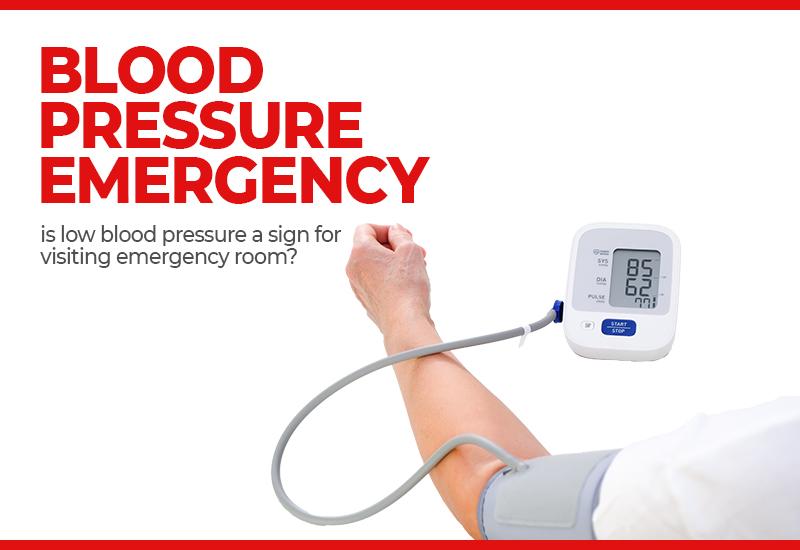
Is there any valuation and parameter that can help identify the lethality and severity of low blood pressure? When is low blood pressure an emergency? When the systolic pressure drops below 90, and diastolic pressure drops below 60, it is an alarming situation as it goes for low blood pressure. When that happens, that???s the time to take the precautionary measures by having pediatric emergency care.
When Low Blood Pressure Becomes an Emergency
Blood pressure readings consistently below 90/60 mmHg can be dangerous, especially if accompanied by fainting, chest pain, confusion, or shortness of breath. These red flags signal that immediate evaluation in an emergency room is necessary to rule out shock, internal bleeding, or heart complications.
Treatment for Low Blood Pressure
After low blood pressure is diagnosed on account of the above-mentioned causes as well as the symptoms, doctors recommend emergency room care. Because the treatment of low blood pressure needs to have consistent treatment from emergency room care for its impeccable results. As the remedial measures of low blood pressure are associated, experts around the world emphasize four effectuated measures to contain it at best. What to do when blood pressure is low? The viable options for low blood pressure treatment are,
- Carotid Massage
- Valsalva Maneuver
- Breathing Technique
- Dive Reflex
Preventing Complications from Low Blood Pressure
Simple lifestyle measures can help reduce risks:
- Stay hydrated and avoid skipping meals
- Add more salt to your diet if advised by your doctor
- Rise slowly from sitting or lying positions
- Avoid prolonged standing in hot environments
- Wear compression stockings if recommended
These strategies are especially important for people prone to recurrent episodes.
FAQs About Low Blood Pressure
1. What is considered dangerously low blood pressure?
A reading below 90/60 mmHg, especially with symptoms like fainting or chest pain, is considered dangerous and requires immediate medical attention.
2. Can low blood pressure cause fainting spells?
Yes. Reduced blood flow to the brain can cause dizziness or fainting, which may lead to falls or injuries.
3. Is low blood pressure common during pregnancy?
Yes. Hormonal changes and increased blood circulation can lower blood pressure during pregnancy, but severe symptoms should be checked by a doctor.
4. Can dehydration trigger low blood pressure?
Absolutely. Lack of fluids reduces blood volume, leading to sudden drops in blood pressure and dizziness.
5. Should I go to the ER for low blood pressure and chest pain?
Chest pain alongside low blood pressure may indicate a serious heart problem or shock and should be treated as a medical emergency.


