

Respiratory virus spread is picking up again, and it’s not just seasonal. Across clinics and emergency rooms, more patients are showing up with cough, fever, and breathing issues tied to respiratory infections in 2026. What’s different this time is how quickly symptoms seem to escalate in some cases.
Let’s understand why this is happening, and more importantly, when symptoms cross into an ER breathing emergency requiring immediate care.
Why Is Respiratory Virus Spread Increasing in 2026?
Respiratory virus spread is rising due to reduced immunity after pandemic measures, increased social interaction, seasonal indoor exposure, and ongoing viral mutations. These factors have led to a noticeable increase in respiratory infections 2026, especially during colder months when transmission is more efficient..
1. Reduced Immunity After Pandemic Measures
During earlier years, preventive measures like masking and social distancing reduced exposure to common viruses. While effective, this also lowered population-level immunity, making people more susceptible now.
2. Increased Social Interaction
With schools, workplaces, and travel fully resumed, close-contact settings are driving virus transmission increase, particularly in densely populated areas.
3. Seasonal and Environmental Factors
Respiratory viruses spread more efficiently in colder months when people stay indoors with limited ventilation. Air pollution may further weaken respiratory defenses.
4. Viral Evolution
Viruses such as the flu and RSV mutate over time, sometimes increasing transmissibility or partially escaping prior immunity.
5. Decline in Preventive Behaviors
Reduced adherence to hygiene practices, including handwashing and mask use, has contributed to the renewed respiratory virus spread.
Common Symptoms to Watch
Most respiratory infections 2026 present with recognizable early symptoms, but tracking how they progress is key to identifying when they become serious.
Typical symptoms include:
- Persistent cough
- Fever or chills
- Sore throat
- Nasal congestion
- Body aches
- Fatigue
Most cases are mild, but some may progress to severe illness.
When Does It Become an Emergency?
An ER breathing emergency often develops when symptoms rapidly worsen or begin affecting oxygen levels and overall stability. Recognizing an ER breathing emergency early can prevent rapid deterioration and serious complications.
Seek emergency care immediately if you have:
- Severe shortness of breath
- Chest pain or pressure
- Bluish lips or face (cyanosis)
- Confusion or difficulty staying awake
- Rapid or worsening breathing
These are warning signs of serious respiratory compromise requiring urgent intervention.
High-Risk Groups
Certain populations are more vulnerable to severe outcomes from respiratory infections 2026, especially as respiratory virus spread continues to increase.
Higher-risk individuals include:
- Older adults
- Young children
- People with chronic lung diseases
- Immunocompromised individuals
- Patients with cardiovascular disease
For these groups, even mild symptoms should be monitored closely, as deterioration can happen quickly.
Urgent Care vs Emergency Room
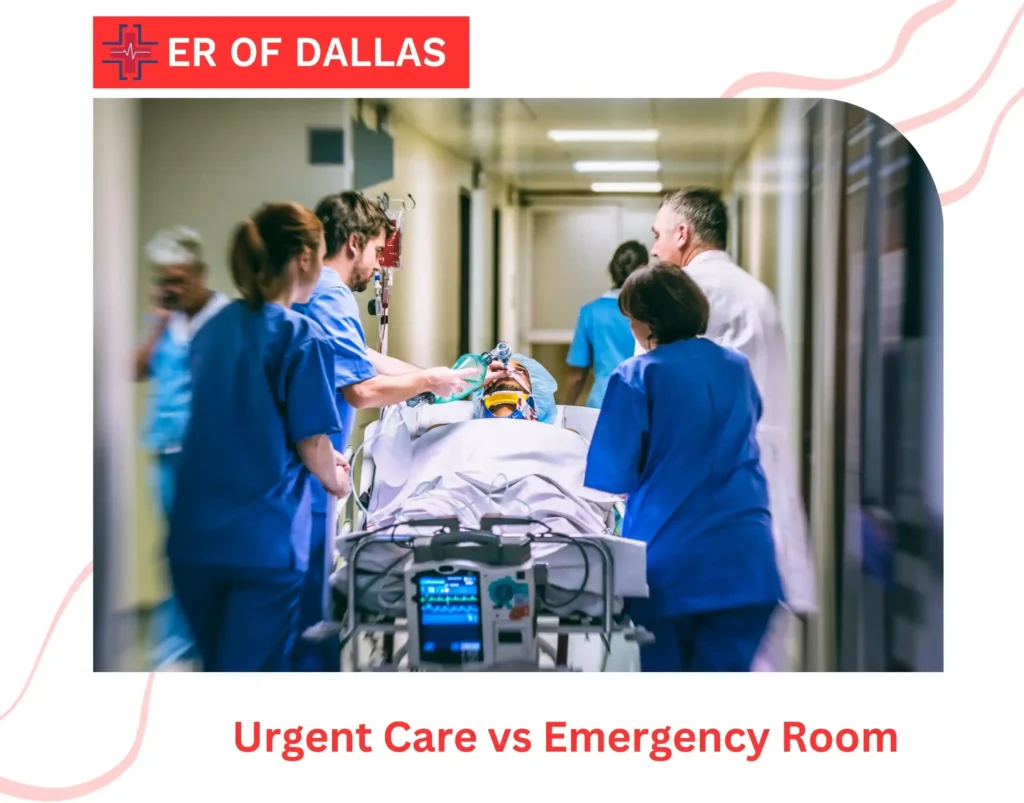
As respiratory virus spread continues, one of the most common questions patients ask is whether to visit an emergency room or urgent care. The right decision often depends on how quickly symptoms are progressing.
Visit Urgent Care If:
- Fever persists beyond 2–3 days
- Mild to moderate breathing difficulty occurs
- Symptoms gradually worsen
Visit the ER If:
- Breathing becomes severely impaired
- Oxygen levels drop significantly
- Symptoms escalate rapidly
These situations often indicate an ER breathing emergency that requires advanced care and monitoring.
How to Reduce Your Risk and Prevent the Spread of Respiratory Illnesses
Reducing respiratory virus spread starts with consistent, practical precautions that limit exposure and strengthen your defenses.
To lower your risk, follow these precautions:
- Practice regular hand hygiene
- Improve indoor ventilation
- Avoid close contact with infected individuals
- Use masks in crowded or high-risk settings
- Stay home when symptomatic
Vaccination remains one of the most effective ways to reduce severe outcomes from respiratory infections 2026 and slow overall virus transmission increase.
What This Means for You
Respiratory virus spread isn’t just increasing, it’s becoming less predictable. Some cases remain mild, while others escalate faster than expected, especially in high-risk individuals.
The key is not to ignore changes in your symptoms. Breathing difficulty, persistent fever, or sudden fatigue are not signs to wait on. If symptoms worsen or feel different than a typical illness, seek immediate care at your nearest ER to prevent serious complications.
Frequently Asked Questions (FAQs)
1. Why are respiratory infections increasing in 2026?
The rise in respiratory infections 2026 is driven by reduced immunity, increased social interaction, and ongoing virus transmission increase due to viral mutation
2. How do respiratory viruses spread?
Respiratory virus spread occurs through droplets and aerosols released when an infected person coughs, sneezes, or speaks, especially in enclosed spaces.
3. When should I worry about breathing problems?
Seek immediate care if you experience severe breathlessness, chest pain, or confusion, as these may indicate a ER breathing emergency.
4. Are these infections preventable?
Yes. Preventive measures like vaccination, hygiene, masking, and ventilation can significantly reduce respiratory virus spread.
5. Who is most at risk of severe illness?
Older adults, young children, and people with chronic diseases or weakened immune systems are at higher risk.


