
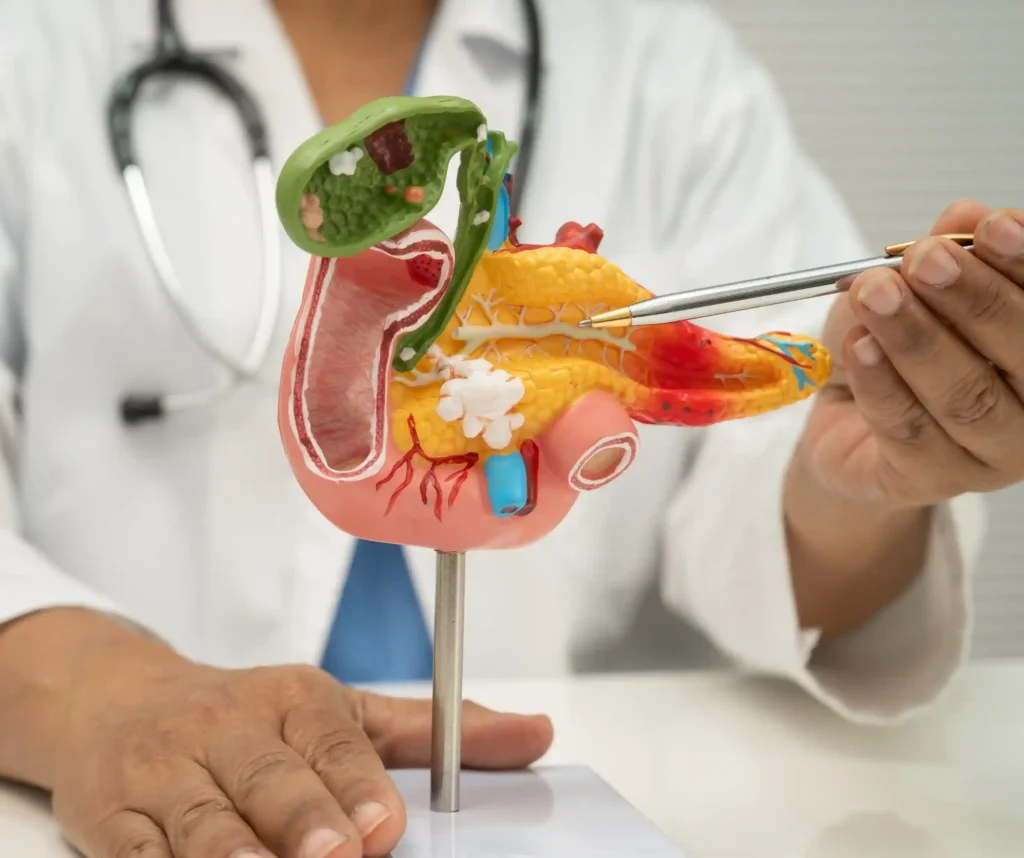
Kidney Stones Emergency Room in Dallas, TX — Fast Relief, 24/7
Kidney stone pain can escalate within minutes and often requires emergency evaluation to confirm the diagnosis and control symptoms. If you’re searching for a kidney stones emergency room in Dallas, TX, ER of Dallas provides 24/7 emergency care with on-site CT scans, laboratory testing, IV fluids, and IV pain relief.
We’re a state-licensed freestanding emergency room in Dallas with the full diagnostic and treatment capability you’d expect from a hospital ER, but without the multi-hour wait. Most patients are roomed within minutes of arrival, evaluated by a board-certified ER physician, and receive pain control quickly.
Why Kidney Stones Need Emergency Room Care
Kidney stones aren’t something you can effectively manage at home or at an urgent care clinic once the pain starts. Here’s why ER-level care is the right call:
- The pain is severe and unrelenting. Oral pain medications rarely touch true kidney stone pain. IV medications work fast and reliably.
- Diagnosis requires imaging. A CT scan is the gold standard for confirming a stone, identifying its size, and locating it. Urgent care clinics usually don’t have on-site CT.
- Complications can be dangerous. A stone that blocks urine flow can damage the kidney. If the urinary tract becomes infected behind the obstruction, it can lead to sepsis, a life-threatening emergency.
- Nausea and vomiting often come with the pain. IV anti-nausea medications and IV fluids restore comfort and prevent dehydration.
- You need a clear treatment ER physicians evaluate whether you can pass the stone at home or need urgent urology referral.
Kidney Stone Symptoms — When to Come In
Kidney stones cause a distinct pattern of symptoms once they begin to move through the urinary tract. Come to ER of Dallas if you have:
- Sudden, severe pain in your back, side, or flank (just below the ribs, on one side) that radiates downward toward the groin or abdomen
- Pain that comes in waves — intense for 20–60 minutes, then easing, then returning
- Pain that doesn’t improve with position changes
- Nausea and vomiting along with the pain
- Blood in the urine (pink, red, or brown tint)
- Cloudy or foul-smelling urine
- Frequent, urgent need to urinate
- Burning sensation when urinating
- Difficulty urinating, or urinating only small amounts
- Pain that shifts location as the stone moves (back → side → lower abdomen → groin)
Kidney stone pain often hits suddenly and severely. Many patients describe it as the worst pain of their lives. If you have these symptoms and they’re getting worse, don’t wait it out.
Kidney Stone Warning Signs — Come In Immediately
Some kidney stone symptoms point to dangerous complications that need emergency care without delay. Call 911 or come straight to ER of Dallas if you have any of the following:
- Fever (101°F or higher) or chills with kidney stone pain — this can indicate a urinary tract infection behind an obstruction, which can progress to urosepsis within hours
- Unable to keep down any fluids due to persistent vomiting
- Severe pain not relieved by anything you’ve tried
- Inability to urinate at all
- Lightheadedness, dizziness, or feeling faint
- Heavy blood in the urine (not just a tint)
- Confusion or altered mental state
- You only have one kidney, are pregnant, have diabetes, or are immunocompromised
- You’ve had a kidney stone before and this episode feels different or worse
Kidney stones accompanied by fever should always be treated as an emergency. An infected, obstructed kidney can lead to sepsis very quickly. This combination doesn’t wait — it needs antibiotics, IV fluids, and likely a urology consult right away.
How ER of Dallas Treats Kidney Stones
When you arrive at our 24-hour ER at 4535 Frankford Rd with suspected kidney stones, here’s what we do:

IV fluids to support stone passage
IV hydration helps flush the urinary tract and may help smaller stones move along. It also corrects dehydration from vomiting and the stress of severe pain.
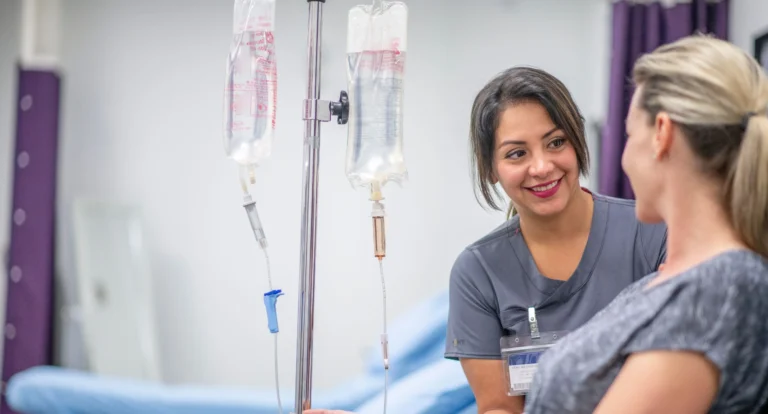
IV pain relief and anti-nausea medication
Severe kidney stone pain often requires IV treatment. We quickly establish IV access and provide pain relief, anti-nausea medication, and fluids when needed. Our goal is to control symptoms as quickly as possible while we identify the cause of your pain.

Lab work and urinalysis
Blood tests check kidney function, look for signs of infection, and rule out other causes of severe abdominal or flank pain. A urinalysis confirms blood in the urine and screens for infection.

On-site CT scan for kidney stone diagnosis
A non-contrast CT scan of the abdomen and pelvis is the most accurate way to identify a kidney stone, measure its size, and locate exactly where it is in the urinary tract. Our CT is on-site, with results interpreted by an emergency physician within minutes.

Medication to help pass the stone
For smaller stones likely to pass on their own (typically under 5–6 mm), we prescribe alpha-blocker medication which relaxes the ureter and helps the stone move. We also send you home with oral pain medication, anti-nausea medication, and clear instructions.

Urology referral or coordination
Larger stones, stones that have been stuck too long, or stones with complications need a urologist. We coordinate referrals directly, and for true emergencies (infected obstruction, complete blockage of a single kidney) we arrange immediate hospital transfer for urgent intervention.
What to Expect During Your Visit
When you arrive at our 24-hour ER at 4535 Frankford Rd with suspected kidney stones, here’s what we do:

Walk in — no appointment needed
Just come to our front desk at 4535 Frankford Rd. We're open 24/7.

Quick triage
Our team records your vital signs, reviews your symptoms, and begins the evaluation process within minutes of your arrival.

IV access and pain medication
Most patients start receiving pain relief within 15–20 minutes of walking in.

CT scan and lab work
On-site imaging and lab — results back quickly. The ER physician reviews them with you.

Treatment plan and discharge
For most uncomplicated kidney stones: prescriptions, instructions on what to expect as you pass the stone, urology referral, and discharge home

Hospital coordination if needed
For complicated stones (obstruction with infection, stones too large to pass), we stabilize you and coordinate transfer directly.
Why Choose ER of Dallas for Kidney Stone Care
| ER of Dallas | Typical Hospital ER | |
|---|---|---|
| Wait time before IV pain relief | Typically minutes | 1–4 hours, sometimes longer |
| CT scan turnaround | On-site, results in minutes | On-site but queued behind other patients |
| Physician | Board-certified ER doctor, on-site | Often triage nurse first |
| Setting | Private rooms, quiet, calm | Crowded, loud, often distressing |
When you’re in 9-out-of-10 pain, every extra hour in a waiting room matters. We’re built to evaluate, image, and treat kidney stones faster than a hospital ER can, without sacrificing capability.
After Your ER Visit — Passing the Stone & Follow-Up
Most kidney stones small enough to pass at home will do so within a few days to a few weeks. Here’s what to expect — and when to come back:
- Take any prescribed medications as directed and follow the recommendations provided by your emergency physician.
- Drink plenty of water, typically 2–3 liters per day unless your doctor told you otherwise.
- Watch for warning signs. Come back to ER of Dallas immediately if you develop fever, chills, severe vomiting, inability to urinate, lightheadedness, or pain that suddenly worsens.
- Follow up with a urologist as recommended, typically within 1–2 weeks. If the stone hasn’t passed by then, additional treatment (shock wave lithotripsy, ureteroscopy) may be needed.
- Long-term prevention. Once you’ve had one kidney stone, your risk of another is high. A urologist can help identify the stone type and recommend dietary or medication changes.
Insurance & Billing
ER of Dallas accepts most major insurance plans. Under the federal No Surprises Act, your insurance is required to process emergency visits at your in-network benefit level, meaning your copay, deductible, and out-of-pocket responsibility are calculated the same way they would be at any hospital ER. Our billing team can help answer insurance and payment questions during your visit. We do not accept Medicare, Medicaid, CHIP, or TRICARE.
See our Insurance & Billing page for full details.
Frequently Asked Questions About Kidney Stones
If you have severe kidney stone pain, come in. Oral pain medications rarely work for true kidney stone pain, and you need imaging to know what you’re dealing with, including whether you have a complication that requires urgent treatment. Waiting at home with severe pain, fever, vomiting, or inability to urinate is dangerous.
Pain typically comes in waves of 20 to 60 minutes, with eased periods in between. The overall episode can last hours to days, depending on stone size and location. Most stones that pass on their own do so within 1–4 weeks.
As a general rule, stones smaller than 5 mm have a high chance of passing without intervention. Stones 5–6 mm have a moderate chance. Stones larger than 6–7 mm usually need a urologist’s help. Stone location matters too, but only a CT can tell us exactly what you’re dealing with.
Not effectively. Urgent care often lacks CT imaging on-site, doesn’t typically offer IV pain medication, and isn’t equipped to manage kidney stone complications. For severe kidney stone pain, go to the ER.
It depends on your insurance and the care you need. Under the No Surprises Act, your insurance must process the visit at your in-network emergency benefit level. We verify your benefits during your visit and walk you through what to expect before you leave
Most kidney stones pass on their own with pain control and time. Larger stones, stones causing infection, or stones that have been stuck too long may need a urology procedure or rarely surgery. Your ER physician and urologist will guide the plan.
Drink plenty of water daily (aim for pale yellow urine), limit excess salt and animal protein, and follow any specific recommendations from your urologist after stone analysis. Some people benefit from medication based on the stone type.
No. We’re a 24/7 walk-in emergency room. Just come in, or call +1 214-613-6694 to let us know you’re on the way.
We’re at 4535 Frankford Rd, Dallas, TX 75287, in Far North Dallas, easily reached from Carrollton, Addison, Plano, and surrounding neighborhoods.
Severe Kidney Stone Pain? We're Open Now
Severe kidney stone pain often requires more than rest, fluids, or over-the-counter medication. If you’re experiencing intense flank pain, vomiting, blood in the urine, or difficulty urinating, prompt evaluation can help identify the cause and rule out serious complications.
ER of Dallas is open 24/7 at 4535 Frankford Rd. Board-certified emergency physicians, on-site CT and ultrasound, IV pain medication, and direct urology referral, with minimal wait. Walk in or call ahead.
📍 Address: 4535 Frankford Rd, Dallas, TX 75287
📞 Phone: +1 214-613-6694
🕐 Hours: Open 24/7, including weekends and holidays
🌐 Website: https://erofdallastx.com/