
Pancreatitis Emergency Care in Dallas, TX
Severe upper abdominal pain radiating to your back demands immediate evaluation. Our Dallas pancreatitis emergency room is open 24/7 with on-site CT imaging, lab testing, IV fluids, and pain control so care begins right away.
You do not need an appointment. We stabilize your condition, identify the cause, and guide the next steps, whether that means safe discharge with instructions or hospital coordination if needed.
Early treatment matters because nearly half of pancreatitis deaths occur in the first week when patients delay care.
What Is Pancreatitis?
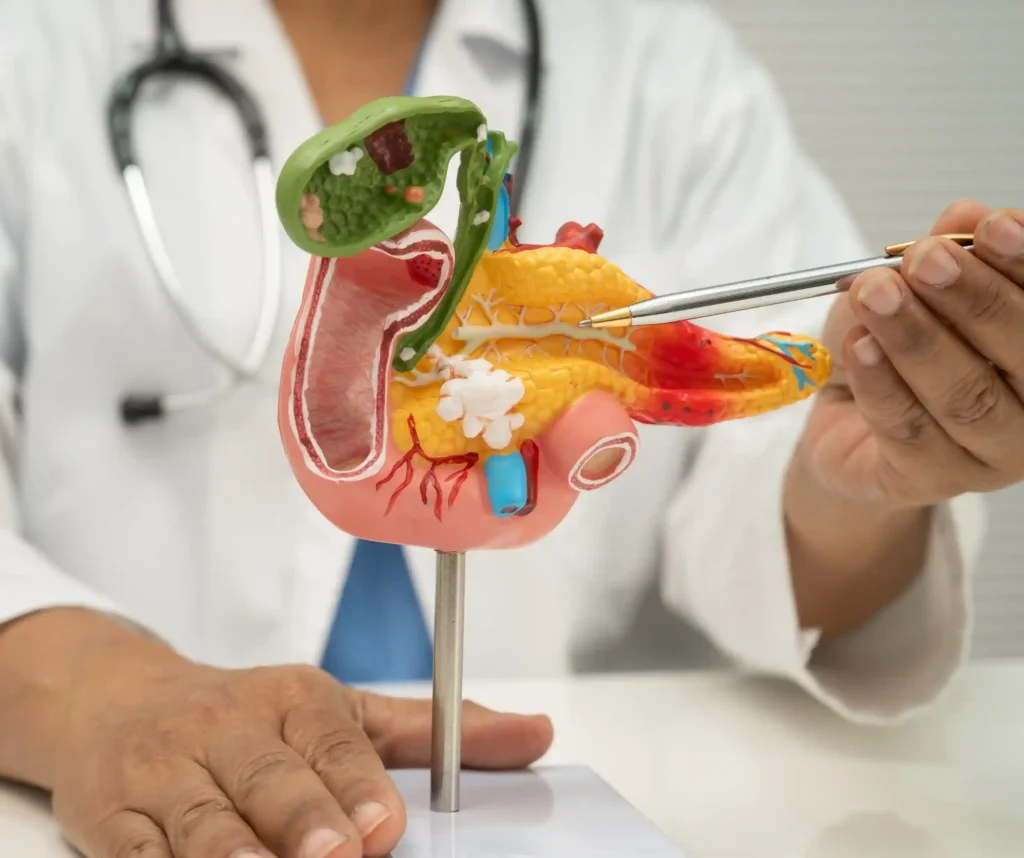
Pancreatitis is inflammation of the pancreas, a small but powerful organ behind your stomach. The pancreas plays an important role in digestion and blood sugar control. In pancreatitis, digestive enzymes activate inside the pancreas instead of the intestine.
The juice starts breaking down pancreatic tissue. This causes inflammation, swelling, and sometimes tissue death (necrosis). It’s one of the few conditions where an organ’s normal function becomes the cause of its destruction.
A sudden and serious inflammation of the pancreas. It can lead to dehydration, infection, breathing problems, or organ stress. It may resolve with treatment in days or weeks.
It develops slowly over time. Ongoing inflammation can scar and permanently damage the pancreas. Chronic pancreatitis can also lead to diabetes.
Most people who come to the ER Dallas pancreatitis emergency room are dealing with acute pancreatitis.
Pancreatitis Symptoms Emergency: Don’t Ignore These Symptoms
The main symptom of pancreatitis is abdominal pain. People often describe it as:
- Deep, constant, or intense
- Radiating to the back
- Worse after eating
- Worse when lying flat
- Slightly better when leaning forward
Other symptoms:
- Nausea and vomiting
- Fever
- Fast heartbeat
- Tender or swollen abdomen
- Loss of appetite
- Unintended weight loss
- Oily or fatty stools in chronic cases
If pain is severe, persistent, or different, seek pancreatitis emergency room care.
Common Causes of Pancreatitis We See at ER Dallas
The most common triggers we diagnose include:
Small gallbladder stones can block the pancreatic duct. Digestive enzymes can’t flow normally; they build up and irritate the pancreas.
Heavy or long-term alcohol use can inflame and damage pancreatic tissue over time. Sometimes pancreatitis appears after years of use; sometimes after a single heavy episode.
Together, these two causes account for most cases.
Other possible causes:
+ High triglycerides
+ Certain medications
+ Infections
+ Autoimmune conditions
+ Genetic factors
+ Sometimes no clear cause
Our onsite pancreatitis emergency room diagnostics help us identify the cause and start the targeted treatment without delay.
How ER Dallas Evaluate Pancreatitis
When you come to us with symptoms of pancreatitis, we bring you in without an appointment. We start the evaluation right away.
● Our team checks your vital signs and symptoms.
● Runs blood tests to measure pancreatic enzyme levels.
● Uses an onsite CT scan or ultrasound to look for inflammation or gallstones.
● Start IV fluids if dehydration is present.
● Controls pain and nausea quickly.
We keep everything in one place so you don’t lose time moving between facilities. Fast answers help us decide the safest next step.
Acute Pancreatitis Treatment in the ER
In acute pancreatitis, the pancreas becomes inflamed quickly and can affect the whole body within hours. At ER Dallas, our goal is urgent stabilization, to control the inflammation and prevent it from becoming dangerous. Acute pancreatitis treatment ER include:
Care may include:
● IV fluids to support circulation and organ function
● Pain control
● Anti-nausea medication
● Monitoring oxygen, blood pressure, and heart rate
● Close observation for complications
If gallstones are the cause, we coordinate next steps for removal or specialist care. If symptoms stay mild and stable, you may recover at home with clear instructions. If symptoms worsen, we arrange hospital admission quickly.
Early treatment at the pancreatitis emergency room often prevents complications, and hospital admission is rarely needed.
Chronic Pancreatitis Flare-Ups
Chronic pancreatitis can cause recurring pain and digestive problems. Patients often come in with flare-ups of pain, digestive issues, or blood sugar problems. Here, management focuses more on long-term support. Besides severe upper abdominal pain ER treatment, we:
- Stabilize you
- Correct dehydration
- Check blood sugar levels
- Make sure symptoms are truly pancreatitis and no new complication has developed
Once you feel stable, we guide you on the next steps and means of follow-up care.
When It’s Safe to Go Home
We only discharge you when:
- Pain is controlled
- You can tolerate fluids
- Vital signs are stable
- Tests show no dangerous complications
- You understand what to watch for at home
If anything is concerning, we continue monitoring or coordinate hospital care.
Why Choose ER Dallas Pancreatitis Emergency Room

Little to no wait time
We keep patient volume manageable so our patients don’t have to wait in pain. Many of our patients are brought directly into an exam room within 5 minutes.
A calmer setting
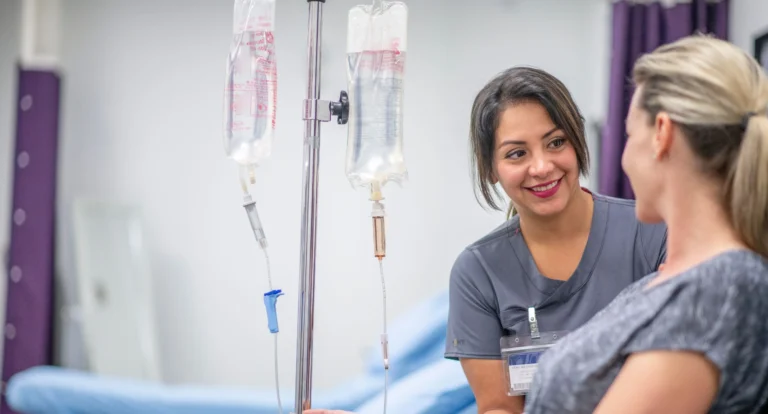
We’ve tried to create an environment that feels organized and steady. For people dealing with nausea, dehydration, or abdominal pain, that calmer place is half the cure.

Follow-Up Care
If pancreatitis is mild, we treat and provide clear instructions for recovery at home. If we see that a patient requires hospital admission or specialized follow-up, we coordinate that.

Onsite diagnostics
Abdominal symptoms require imaging to get a clear picture of what’s happening. And waiting hours or days for results is risky when you’re in pain. Our onsite diagnostics eliminate this risk. Imaging at ER Dallas includes:
● CT scans
● Ultrasound
● X-ray
● Laboratory testing

Board-certified physicians
Board-certified physicians at ER Dallas are trained to recognize subtle warning signs. With expert evaluation, it is known within a short time if the issue is pancreatitis, a stomach infection, gallbladder disease, or something less serious. Just as important, our team takes time to explain what they’re seeing and what comes next.

Part of the Dallas community
Because we serve the same neighborhoods every day, we recognize patterns. We see how often gallstones, alcohol-related inflammation, high cholesterol, and diet-related issues contribute to pancreatitis in our area. That local understanding helps us evaluate symptoms faster and treat without unnecessary delays. If a patient requires admission or surgery, we connect them within the Dallas healthcare network quickly so nothing falls through the cracks. Being part of this community also keeps us accountable. We must make you feel safe coming back if you ever need us again
Pancreatitis Emergency Room Near You in Dallas
If you’re searching for a pancreatitis emergency room near me or near you, our Dallas ER serves patients from across the area with 24/7 walk-in care and on-site imaging.
We treat patients from:
● North Dallas
● Plano
● Richardson
● Garland
● Addison
● Carrollton
● Farmers Branch
● Irving and nearby communities
Why Early Care Matters for Pancreatitis
Ignoring symptoms allows inflammation to spread and affect other organs such as the lungs, kidneys, and heart.
Early emergency care helps:
● Reduce complications
● Relieve severe pain faster
● Prevent dehydration and infection
● Identify the underlying cause
● Shorten recovery time
We’re Open 24/7
Pancreatitis doesn’t always start dramatically. It may begin as a deep stomach ache, discomfort after eating, or nausea that feels unusual.
If your symptoms feel different from normal indigestion, come in and let us evaluate you.
Our pancreatitis emergency room is open day and night with on-site diagnostics, IV treatment, and experienced ER physicians ready to help you feel better and recover safely.
FAQs
Most people feel a deep, constant pain in the upper abdomen. It may move into the back and get worse after eating or when lying flat. It’s usually stronger than typical indigestion.
Mild acute pancreatitis can improve with treatment and rest. But you shouldn’t try to manage it at home. Some cases worsen quickly, so it’s safer to get early pancreatitis emergency care.
Yes. It can return if the cause isn’t treated. Removing gallstones, reducing alcohol use, and managing cholesterol can lower the risk of another attack
Not always. If your case is mild and stable, we treat your pain, give fluids, and may send you home with instructions. If symptoms look severe or complicated, we arrange hospital care.
It can be. Severe pancreatitis can become serious and affect vital organs without prompt treatment.
Yes. Over time, chronic pancreatitis can damage the pancreas and reduce its ability to produce insulin. When insulin levels drop, diabetes can develop.
Mild acute pancreatitis often improves within 3–7 days. Severe cases can take several weeks to months and require hospital care. For chronic pancreatitis, the condition doesn’t fully go away. But flare-ups can be managed with regular medical care and lifestyle changes.