
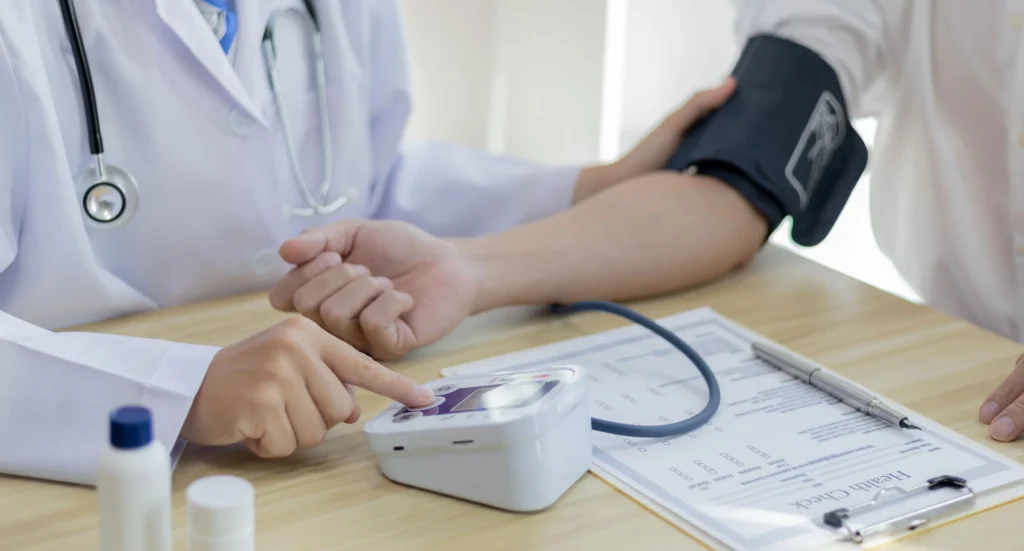

Freestanding ER vs Urgent Care: Know the Difference
Freestanding ER and urgent care are strikingly the same from the outside, but they serve different needs. Urgent care handles minor, non-life-threatening problems during business hours. Emergency rooms provide full emergency services 24/7. Their staff, equipment, and services all are different.
Let’s explain the difference between freestanding ER vs urgent care and which one to choose when your health is on the line.
What Is Urgent Care?
Urgent care centers bridge the gap between your primary care doctor and emergency care. These facilities handle medical problems that need attention soon but don’t threaten your life or require advanced intervention. Typical urgent care operates:
- 10-12 hours daily
- Limited weekend hours
- Closed most major holidays
- Staffed by family medicine physicians, physician assistants, or nurse practitioners
When urgent care works:
- The condition is stable and non-progressive
- Symptoms are mild to moderate
- No advanced imaging or IV medications needed
- You can wait if there's a delay
What Is a Freestanding Emergency Room?
A freestanding ER is a fully licensed and equipped emergency department designed for life-threatening and time-sensitive medical emergencies. These facilities meet the same regulatory standards as hospital-based emergency departments.
The key difference: freestanding ERs operate independently from a hospital campus. They can diagnose and treat life-threatening emergencies immediately, without the crowding and long wait times of large hospital ERs.
Freestanding emergency rooms provide:
- Board-certified emergency physicians on-site 24/7
- Advanced diagnostic imaging (CT scans, ultrasound, X-ray)
- Full laboratory capabilities including cardiac enzyme testing
- IV medications and resuscitation equipment
- Emergency nursing staff
- Transfer coordination to hospitals when specialized care or admission is required
Freestanding ER vs Urgent Care: Core Differences
| Capability | Freestanding ER | Urgent Care |
|---|---|---|
| Hours of Operation | 24/7/365 | Limited hours, closes nights/holidays |
| Physician Credentials | Board-certified emergency physicians | Family practice, internal medicine, or advanced practice providers |
| Emergency Nursing | ER-trained registered nurses | General medical assistants or LPNs |
| CT Scanning | On-site, available immediately | Not available |
| Ultrasound | On-site, including cardiac echo | Limited or none |
| Laboratory Testing | Comprehensive, including cardiac enzymes | Basic tests only |
| IV Medications | Full emergency formulary | Limited |
| Cardiac Monitoring | Continuous ECG monitoring | Basic ECG only |
| Fracture Treatment | Reduction, splinting, casting, surgical coordination | Simple splinting only |
| Life-Threatening Conditions | Full stabilization and treatment | Cannot treat, must transfer |
| Transfer Protocols | Direct coordination with hospitals | Calls 911 for serious conditions |
When Urgent Care Makes Sense
Urgent care serves a specific purpose: treating stable, non-emergency conditions when your primary care doctor isn’t available. These centers work well for minor infections, simple injuries, and low-acuity symptoms that need attention within hours.
Conditions appropriate for urgent care: sore throats, ear infections, minor cuts requiring simple stitches, mild sprains, low-grade fevers, minor burns, small rashes, and common cold symptoms.
If your condition is stable, symptoms are mild, and you can wait if there’s a delay, urgent care provides convenient access. But the moment symptoms suggest something serious, emergency care becomes necessary.
What Requires Emergency Care
Go directly to a freestanding ER or hospital ER for symptoms that could indicate life-threatening conditions:

Cardiac Symptoms
● Chest pain or pressure
● Pain radiating to arm, jaw, or back
● Chest discomfort with shortness of breath
● Heart palpitations with dizziness or fainting
Neurological Emergencies
● Stroke symptoms: facial drooping, arm weakness, slurred speech
● Severe headache (worst of your life)
● Sudden confusion or altered mental status
● Loss of consciousness
● Seizures
● Sudden vision changes

Respiratory Distress
● Difficulty breathing or shortness of breath at rest
● Severe asthma attack not responding to inhaler
● Choking
● Persistent chest pain with breathing
Trauma
● Head injuries with confusion or vomiting
● Deep lacerations with heavy bleeding
● Suspected broken bones (arm, leg, ribs)
● Severe burns
● Eye injuries

Abdominal Emergencies
● Severe abdominal pain
● Abdominal pain with vomiting
● Signs of appendicitis (right lower quadrant pain with fever)
● Suspected kidney stones
● Blood in stool or vomit
Other Emergency Conditions
● High fever (103°F+) with confusion
● Severe dehydration with inability to keep fluids down
● Severe allergic reactions (throat swelling, difficulty breathing)
● Uncontrolled bleeding
● Poisoning or overdose

The Gray Area: When You're Uncertain
Some situations fall between obvious choices. If you’re unsure whether your condition needs emergency care, these factors suggest you should choose the ER:
● Symptoms came on suddenly and severely
● Condition is worsening despite initial treatment
● Pain is severe or unbearable
● You feel something is seriously wrong
● Symptoms include combinations (fever + chest pain, headache + vision changes)
It’s late night or early morning when urgent care is closed
When in doubt, choose the ER. No one regrets getting serious symptoms checked too quickly. Many regret waiting too long
Diagnostic Capabilities of Freestanding ER vs Urgent Care
The gap in diagnostic equipment between urgent care and emergency rooms directly affects what conditions can be identified:
Urgent Care Limitations
Ultrasound identifies:
● Basic X-rays only (no CT capability)
● Limited lab testing (usually sent out)
● No cardiac enzyme testing
● No ultrasound capability
● Cannot rule out blood clots, internal bleeding, or organ damage
Emergency Room Capabilities:
CT scans detect:
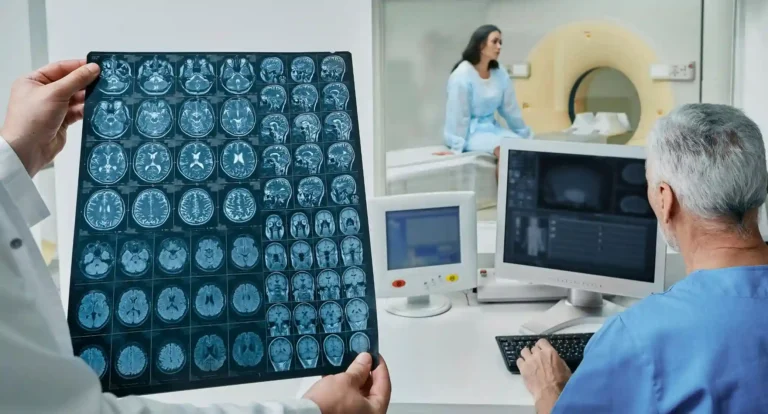
● Strokes and brain bleeding
● Pulmonary embolism (blood clots in lungs)
● Appendicitis
● Kidney stones
● Internal injuries
Ultrasound identifies:
● Gallbladder disease
● Abdominal fluid
● Heart function problems
● Deep vein thrombosis
Comprehensive lab work reveals:
● Heart attack (cardiac enzymes)
● Severe infections
● Organ function
● Electrolyte imbalances
These tools aren’t extras. They’re essential for diagnosing serious conditions that look minor initially.
What Happens When Urgent Care Can't Help
If you go to urgent care and your symptoms raise concern, the center must refer you to an emergency room. This creates several problems:
- Delayed diagnosis: Time passes while you travel to the ER
- Repeated evaluation: The ER must start assessment from the beginning
- Lost information: Tests often can’t transfer between facilities
- Increased anxiety: You realize the situation is more serious than you thought
- Higher total cost: You pay for both visits
For time-sensitive emergencies (heart attacks, strokes, severe infections), these delays can affect your outcome
Treatment Differences Between ER and Urgent Care
Beyond diagnosis, the treatments available differ significantly:
Emergency rooms provide:
- IV medications that work within minutes
- IV fluids for dehydration, shock, or severe vomiting
- Cardiac medications for heart-related emergencies
- Strong IV antibiotics for serious infections
- Pain control for severe pain
- Breathing treatments with continuous monitoring
- Blood transfusions when needed
- Fracture reduction before casting
- Deep wound repair
Advanced life support
Urgent care is limited to:
- Oral medications
- Simple wound closure
- Basic splinting
- Basic nebulizer treatments
If your condition requires more than oral medications or basic procedures, urgent care cannot provide adequate treatment.
The Cost Question
Many people choose urgent care because they assume it will be cheaper. For minor conditions, that’s correct. Simple infections, small cuts, sprains, and routine illnesses can usually be treated at a lower cost in an urgent care setting.
But choosing the wrong option can cost more. If you visit urgent care for symptoms such as chest pain, severe abdominal pain, or breathing difficulty, you may still be sent to the emergency room for advanced evaluation.
In that situation, you are billed for the urgent care visit, then billed again at the ER for the full diagnostic workup and treatment, while losing valuable time in the process.
If you start at the ER:
● Single facility charge
● Immediate evaluation
● No delay in treatment
● Potentially better outcome
For serious conditions, starting at the ER saves both money and time.
Insurance considerations:
Insurance also plays a role. Most freestanding ERs accept major insurance plans, while urgent care centers sometimes operate within narrower networks. Some plans require pre-authorization for ER visits, but true emergencies are always covered.
When symptoms are severe or worsening, cost considerations should never delay seeking emergency care.
When Specialized Care Is Needed
Freestanding emergency rooms stabilize patients and coordinate transfers when conditions require:
● Cardiac catheterization
● Emergency surgery
● Intensive care unit admission
● Specialized interventions beyond ER scope
This transfer process is coordinated directly between ERs and receiving hospitals. Medical records, imaging, and lab results transfer with you. The receiving facility knows your condition before you arrive
Dallas ER: Freestanding Emergency Care
ER of Dallas delivers comprehensive emergency care without the delays and congestion typical of hospital emergency departments. Here’s what that means for you:

Board-Certified Emergency Physicians
Our physicians are board-certified and trained in emergency medicine, equipped to evaluate and manage serious conditions at any hour. They assess your symptoms and begin treatment without delay.
Advanced Imaging and Diagnostic Testing
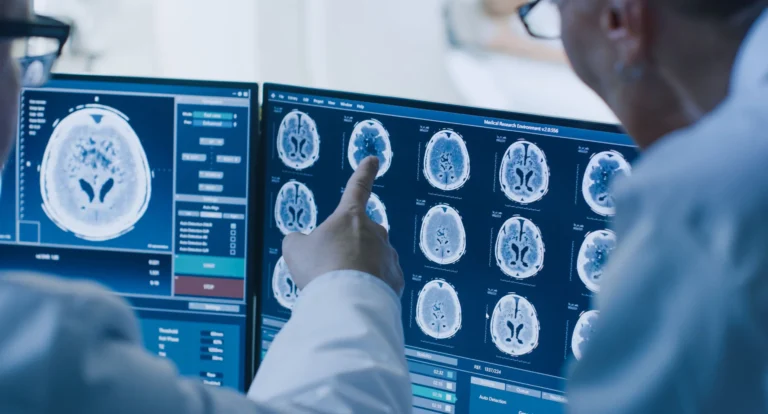
Accurate diagnosis is the foundation of effective treatment. Our facility provides on-site CT scanning, ultrasound, digital X-ray, comprehensive laboratory testing, ECGs, and continuous cardiac monitoring. This allows us to identify conditions such as strokes, internal bleeding, infections, fractures, or cardiac events quickly and begin treatment immediately.

Comprehensive Treatment Services
Once a diagnosis is established, treatment starts right away. We administer IV medications for pain, infections, nausea, and cardiac conditions, provide fluids for dehydration, deliver oxygen and breathing therapies for respiratory distress, perform fracture stabilization, and manage complex wound care. Pediatric emergencies are handled with equipment and protocols designed specifically for children

Available 24/7 Without Appointments
ER of Dallas remains open around the clock, every day of the year, including nights, weekends, and holidays. Walk in whenever you need care. No appointment or referral required.

Private, Patient-Focused Environment
Care takes place in private treatment rooms where family members can remain with you. Our team provides focused attention in a clean, modern setting designed to reduce stress during an already difficult moment.

Insurance & Flexible Payment Options
We accept most major insurance plans and maintain a strict no balance billing policy to prevent unexpected charges after your visit. For patients without insurance, our staff explains costs in advance and offers flexible payment options.

If your condition requires hospitalization or specialized surgery, we stabilize you and coordinate transfer to the appropriate facility, ensuring continuity of care without unnecessary delays.
Your Health Can't Wait
The difference between freestanding ER vs urgent care isn’t about which is “better.” Both serve important roles. Urgent care handles minor conditions efficiently during business hours. Emergency rooms handle everything, including life-threatening emergencies, 24/7.
The question isn’t where you prefer to go. It’s where your condition can actually be diagnosed and treated properly.
Chest pain needs cardiac monitoring and enzyme testing. Stroke symptoms need CT imaging within minutes. Severe infections need IV antibiotics. Breathing problems need oxygen and advanced airway management.
These capabilities exist in emergency rooms, not urgent care centers.
ER of Dallas combines the full emergency capabilities you need with the efficiency and comfort you want. When your health is on the line, we’re here with the right team, equipment, and expertise to help.
Frequently Asked Questions
No. Urgent care centers handle minor, non-emergency conditions during limited hours. Freestanding emergency rooms are fully licensed emergency departments open 24/7 with the same capabilities as hospital ERs.
No. Urgent care centers cannot properly evaluate or treat potentially life-threatening conditions. Chest pain, stroke symptoms, severe breathing problems, and other emergency conditions require immediate evaluation in an emergency room with CT scanning, cardiac monitoring, and IV medication capabilities.
The urgent care center will refer you to an emergency room. This delays your diagnosis and treatment and often increases total costs because you’ll pay for both visits. For serious symptoms, starting at an ER prevents these delays.
Yes. Freestanding emergency rooms operate 24 hours a day, 365 days a year. Urgent care centers typically close at night and on holidays.
No. Urgent care centers usually do not have CT scanning capability. This means they cannot diagnose strokes, internal bleeding, pulmonary embolism, appendicitis, or many other serious conditions that require CT imaging.
Most major insurance plans cover emergency care at freestanding ERs. Coverage is similar to hospital ER coverage. However, verify your specific plan’s network. Never delay emergency care due to insurance concerns—true emergencies are covered.
Freestanding ERs stabilize your condition and coordinate direct transfers to hospitals when admission or specialized care is required. Your medical records and test results transfer with you, ensuring continuity of care.