


Frequently Asked Questions
IV how does fluid function?
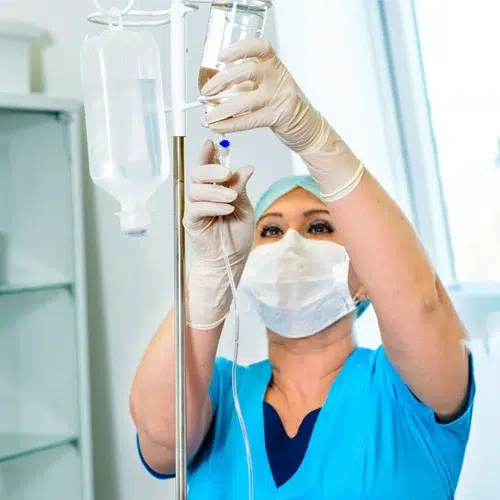
The patients would get rehydrated or receive drugs by intravenous fluids. The drugs may be given intravenously in cases of immediate medical help or inability to take fluids by mouth.
Where are the IV fluids passed through?
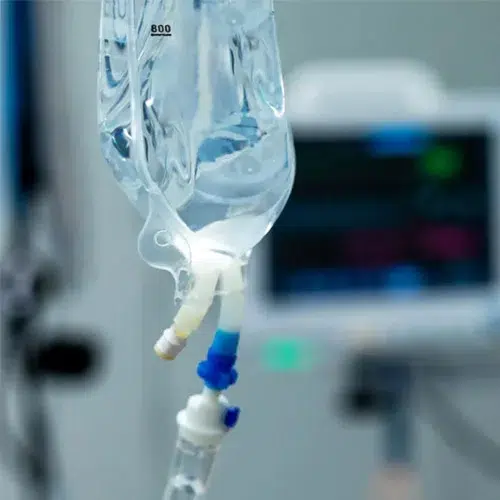
A typical IV administration is of an isotonic solution like the saline solution that is injected into the vein either through a catheter or a cannula to deliver drugs or to fasten the process of hydration.
Does the different patient's use of different IV fluids look the same to the care provider?
There are special fluids with point use, and this includes saline solution, dextrose solution, and urine solutions that are used for different conditions.
What can be the underlying medical reason for intravenous fluid administration?
For example, the kidney may not work properly if it does not receive enough water and hence excessive electrolyte concentrations. On the other hand, the patient needing a tremendous amount of fluids due to problems like severe infection or medical operations is another scenario. It is important for IV fluid therapy to normalize hydration and support health in general.
Are IV fluids adequate?
Absolutely, IV fluid therapy is essentially safe and easy to operate but only medical professionals who are well trained and knowledgeable as well as falling sick can perform this without any side effects or complications.