Emergency Dehydration Treatment in Dallas | 24/7 No Wait ER
Severe dehydration demands immediate medical intervention. When your body loses critical fluids and electrolytes, ER of Dallas provides rapid IV therapy and comprehensive monitoring to restore your health. Our emergency physicians assess dehydration severity and deliver targeted treatment to prevent dangerous complications.
What Is Severe Dehydration?
Most people underestimate how quickly dehydration becomes life-threatening. What starts as feeling thirsty can escalate to organ failure within hours, especially during Dallas heat or illness.
- Medically, severe dehydration is usually considered a loss of 10% or more of your body’s water. Even a 1-2% dehydration can affect your brain function.
- In kids and the elderly, a 6–8% fluid loss can be life-threatening.
- Your body is around 60% water, so losing just 3 quarts (3 liters) for a 150 pound person (70 kgs) is already severe.
At this level, oral rehydration becomes insufficient. Emergency dehydration treatment in Dallas ER focuses on rapid IV fluid replacement to restore your body’s critical balance before complications develop.
24 Hours Medical Care Facility You Want in an Emergency Room, No Wait

What Causes Severe Dehydration?
Your body naturally loses water, but certain conditions accelerate fluid loss beyond what drinking water can replace. Immediate dehydration treatment becomes necessary when:
- Illness-related fluid loss: Vomiting, diarrhea, or high fever
- Heat exposure: Excessive sweating from heat or intense exercise
- Medical conditions: Diabetes, kidney disease, or medication side effects
- Physical trauma: Burns or severe injuries affecting fluid balance
- Age-related factors: Infants and elderly lose fluids more rapidly
When these conditions persist, oral rehydration becomes insufficient. Our emergency physicians provide rapid IV therapy to restore critical fluid and electrolyte balance.
Emergency IV Hydration Available Now
IV Hydration Therapy rapidly restores your body's critical fluid and electrolyte balance when dehydration becomes severe. Our emergency physicians use targeted IV solutions to prevent dangerous complications.
Body Water Loss Percentages & Symptoms
| % of Body Water Lost | Effects on the Body |
|---|---|
| 1–2% | Thirst, slight fatigue, brain fog, mood swings, reduced mental performance |
| 3–4% | Dry mouth, irritability, headaches, flushed skin, increased heart rate, poor temperature control |
| 5–6% | Dizziness, rapid breathing, increased body temp, extreme fatigue, low blood pressure. Athletic performance crashes. |
| 7–9% | Muscle spasms, delirium, confusion, risk of fainting, very little urine output. You're approaching the danger zone. |
| 10–11% | Serious medical emergency: heatstroke, kidney failure, seizures, hallucinations, unresponsiveness. |
| 12–15% | Often fatal without immediate treatment — organs start shutting down. |
Severe Dehydration Symptoms
Severe dehydration symptoms require immediate medical attention. Don’t wait for multiple symptoms to appear. Any of these signs demands emergency care:
- No urination for 6-8 hours
- Confusion, dizziness, or unresponsiveness
- Rapid heartbeat or breathing
- Sunken eyes or dry mouth
- Cold, clammy skin with weak pulse
- Vomiting that prevents fluid retention
Why Drinking Water Alone Isn’t Enough For Dehydration Emergency
When dehydration reaches emergency levels, your body needs more than oral hydration. It needs medical-level rebalancing, that includes
- IV fluids
- Electrolyte correction
- Medical monitoring
That’s precisely what our emergency dehydration treatment in Dallas provides in severe dehydration cases.
Get emergency dehydration treatment in Dallas if someone has:
- Trouble breathing or chest pain
- Signs of shock (blue lips, weak pulse)
- Complete inability to keep fluids down
- Loss of consciousness or severe confusion
Time matters in dehydration emergencies. Our emergency physicians provide rapid IV therapy to restore critical fluid balance before complications develop.
Our Emergency Dehydration Treatment Process
When you’re severely dehydrated, your body’s running on empty. That’s why our team at Dallas ER doesn’t waste a second when it comes to rehydrating your body. Here’s how we do it:

Seen Right Away
Quick check-in with instant vital signs monitoring. We assess heart rate, blood pressure, and symptoms immediately, without any waiting room delays.

Rapid IV Hydration
Direct IV therapy delivers fluids and electrolytes into your bloodstream. We customize saline solutions with sodium, potassium, and anti-nausea medications as needed.

On-Site Lab Testing
In-house Labs check electrolyte levels, kidney function, blood sugar, and infection markers to tailor your treatment and prevent complications.

Continuous Monitoring
We track your heart rate, oxygen levels, and recovery signs to ensure safe rehydration and catch any developing issues immediately.

Private Recovery Space
Rest in a quiet, private room while you rehydrate; not a noisy hallway. We provide a calm environment for optimal recovery.

24/7 Emergency Care
Dehydration emergencies happen anytime. Our emergency dehydration treatment in Dallas is available around the clock; no appointment needed.
Why Delaying Dehydration Treatment Is Dangerous
Severe dehydration creates a chain reaction that affects your entire body:

Heart problems
Your blood becomes too thick, forcing your heart to work harder and potentially leading to heart failure

Kidney damage
Your kidneys can't filter waste properly when there's not enough fluid, potentially causing permanent damage

Brain issues
Your brain needs proper fluid balance to work. Without it, you can have seizures or pass out

Heat Emergencies
Losing the ability to cool yourself through sweating rise your body temperature to spike dangerously and risk strokes.
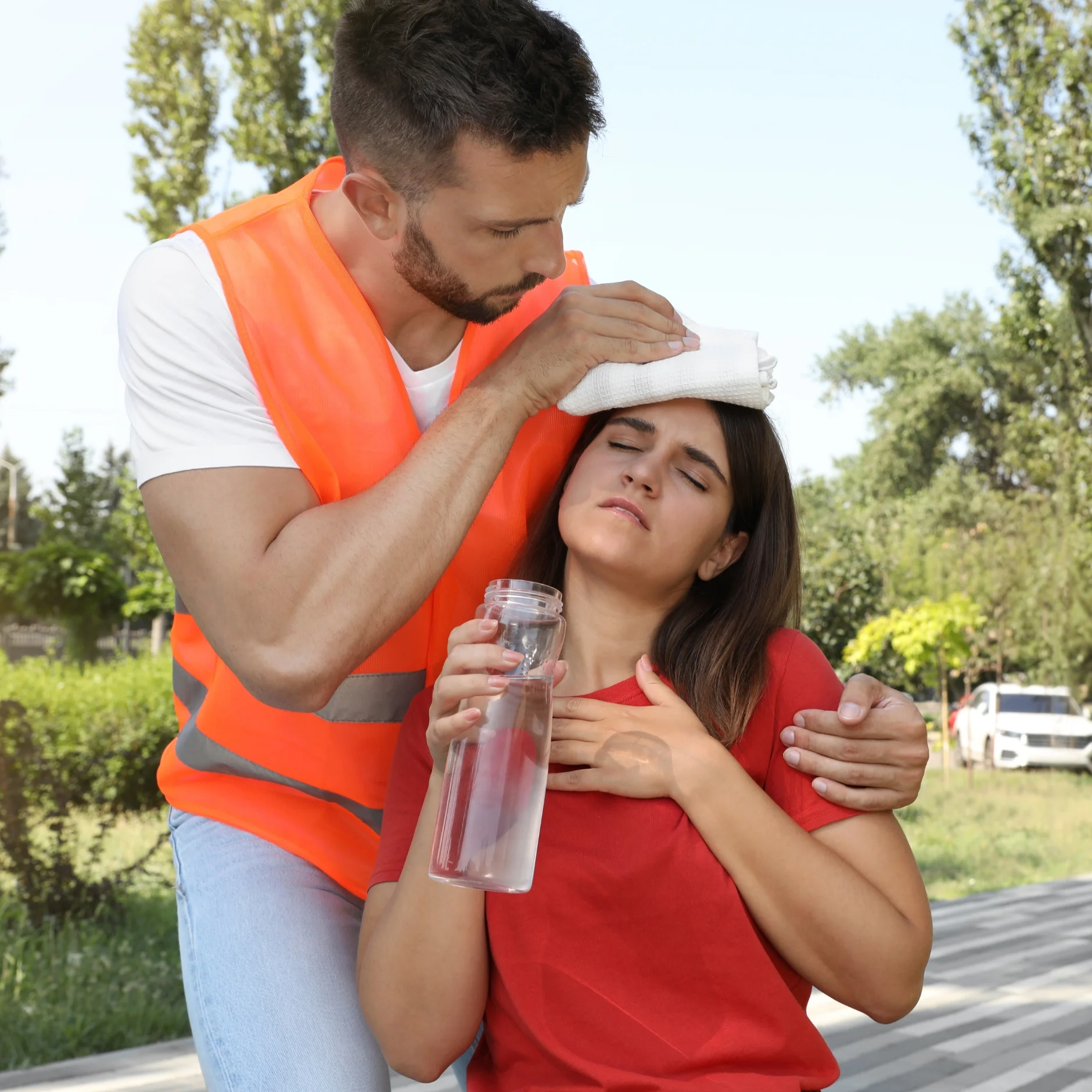
Need Emergency IV Hydration Now?
IV Hydration Therapy is the fastest and most effective treatment for severe dehydration. Our emergency physicians deliver targeted IV fluids to restore your body's critical balance immediately.
How to Prevent Dehydration?
Drink Fluids
- Drink 8-10 glasses of water daily.
- Consume 1-2 glasses before physical activity and continue drinking during intense workouts.
- Eat water-rich fruits and vegetables to maintain fluid levels.
Beware of Extreme Weather Conditions
- Severe Dallas Heat: Avoid outdoor activities during peak heat. Keep water nearby if you must work outside.
- Winter Dehydration: Your thirst response decreases by 40% in cold weather, so drink water even when you don't feel thirsty.
Don’t Wait For Dehydration To Get Worse
If you or someone you love is showing signs of severe dehydration, seek emergency dehydration treatment fast. When it comes to children, even one extra hour can make a big difference in their recovery and overall health. ER Dallas is fully equipped and ready 24/7 with on-site labs, IV hydration, and experienced medical staff to treat dehydration quickly and effectively. The sooner IV fluids are started, the better the chances of avoiding serious complications. It’s always better to be safe than sorry.
FAQs
The fastest way to treat severe dehydration is through IV fluids. This delivers hydration and electrolytes directly into your bloodstream, bypassing your digestive system, which may be sluggish or impaired during dehydration.
Most people start feeling better within 1–2 hours after starting IV treatment. But full recovery depends on the severity. Some people bounce back the same day, while others (with ongoing vomiting, diarrhea, or heat exposure) may need a day or two of rest and continued fluids to feel back to normal.
Avoid anything that pulls even more water out of your system, including alcohol, caffeine, sugary sodas, or salty snacks. Also, try to stay out of the heat and don’t push yourself with heavy activity until you’re fully rehydrated.
With proper treatment, symptoms like dizziness, fatigue, and dry mouth usually start to improve within hours. However, if dehydration affects your kidneys, heart, or brain, you might feel lingering effects like fatigue or mental fog for a day or two.
Recovery starts with IV fluids and treating the underlying cause. After your ER visit, recovery might include: rest, drinking electrolyte-rich fluids, eating hydrating foods (fruits, broths, soups). Avoid heat, and strenuous activity for a few days.
Yes, if left untreated, severe dehydration can lead to serious complications, including kidney damage or failure, seizures, heatstroke, confusion or unconsciousness, and shock (when your organs don’t get enough blood). The good news? Prompt treatment at the ER can prevent long-term damage.